Crop and leaf surface monitoring
Technical specifications
| Parameter | Specification |
|---|---|
| Power Supply | DC 10~30V |
| Communication | RS485 / WiFi / LoRaWAN / 4G / Bluetooth |
| Output | 4-20mA / 0-5V Optional |
| Housing Material | Flame-retardant ABS |
| Protection | IP67 |
| Operating Temperature | -40℃~80℃ |
| Operating Humidity | 0~100%RH |
| Parameter | Specification |
|---|---|
| Leaf Wetness Detection | Leaf surface moisture monitoring |
| Temperature Measurement | -40℃~80℃ |
| Temperature Accuracy | ±0.5℃ |
| Humidity Measurement | 0~100%RH |
| Humidity Accuracy | ±3%RH |
| Model | Communication | Application |
|---|---|---|
| YF500-LEAF(R) | RS485 Modbus | Wired agriculture monitoring |
| YF500-LEAF(L) | LoRaWAN | Large area farm monitoring |
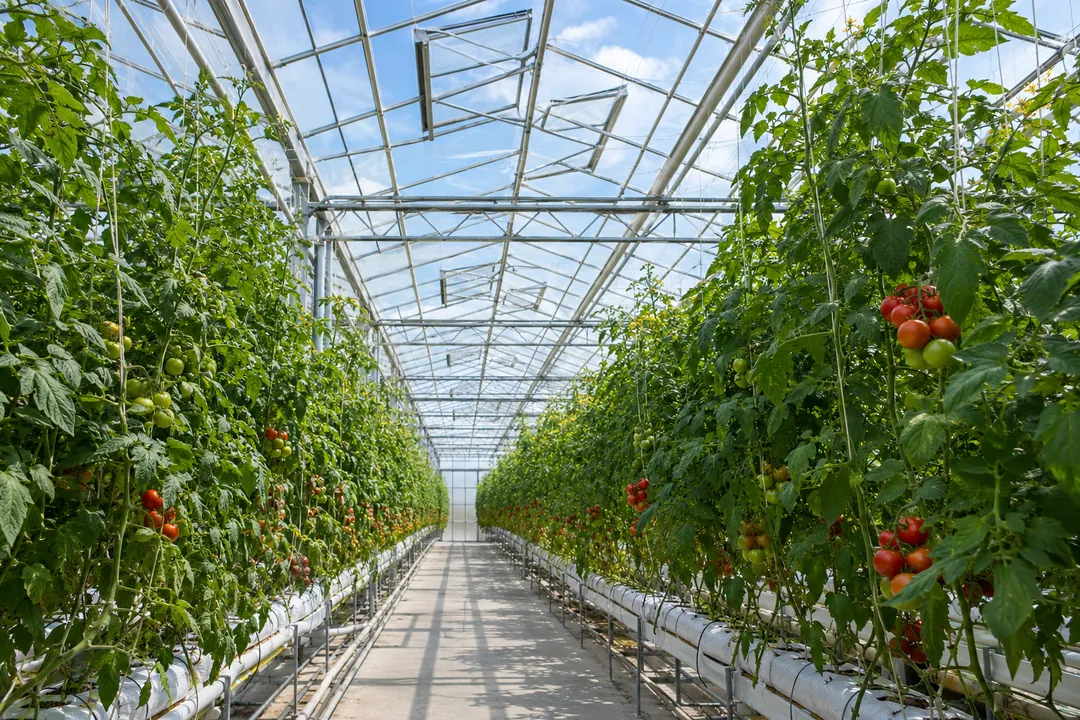
| YF500-LEAF(W) | WiFi | Greenhouse monitoring |
| YF500-LEAF(G) | 4G | Remote agriculture monitoring |
YF500-LEAF leaf wetness monitoring
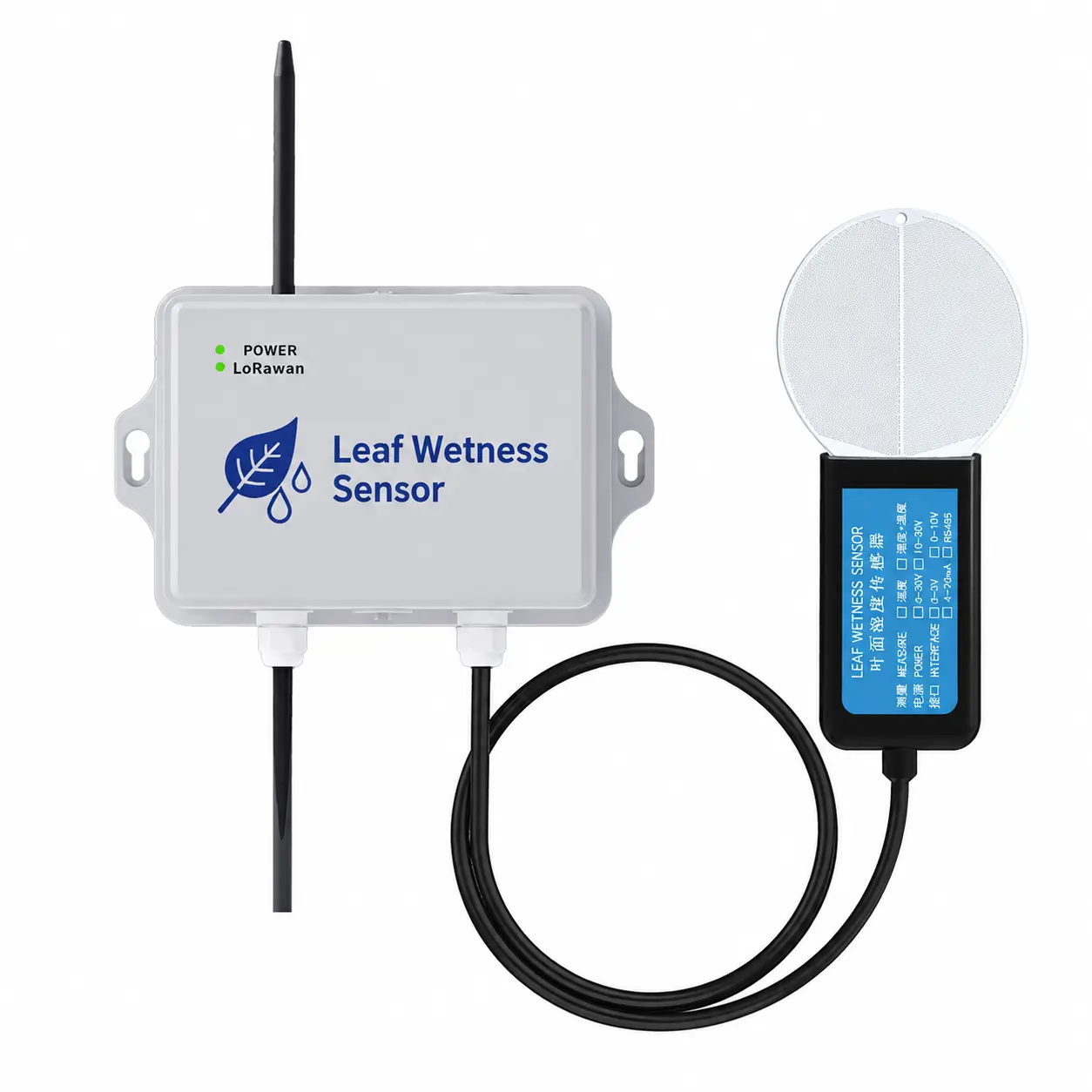
The YF500-LEAF is a leaf wetness sensor for agricultural and greenhouse monitoring. The product provides leaf surface moisture monitoring together with temperature and humidity measurements. Its listed temperature measurement range is −40 to 80 °C with ±0.5 °C accuracy; the listed humidity range is 0–100% RH with ±3% RH accuracy. Select the communication version for the monitoring system.
Why leaf surface conditions matter
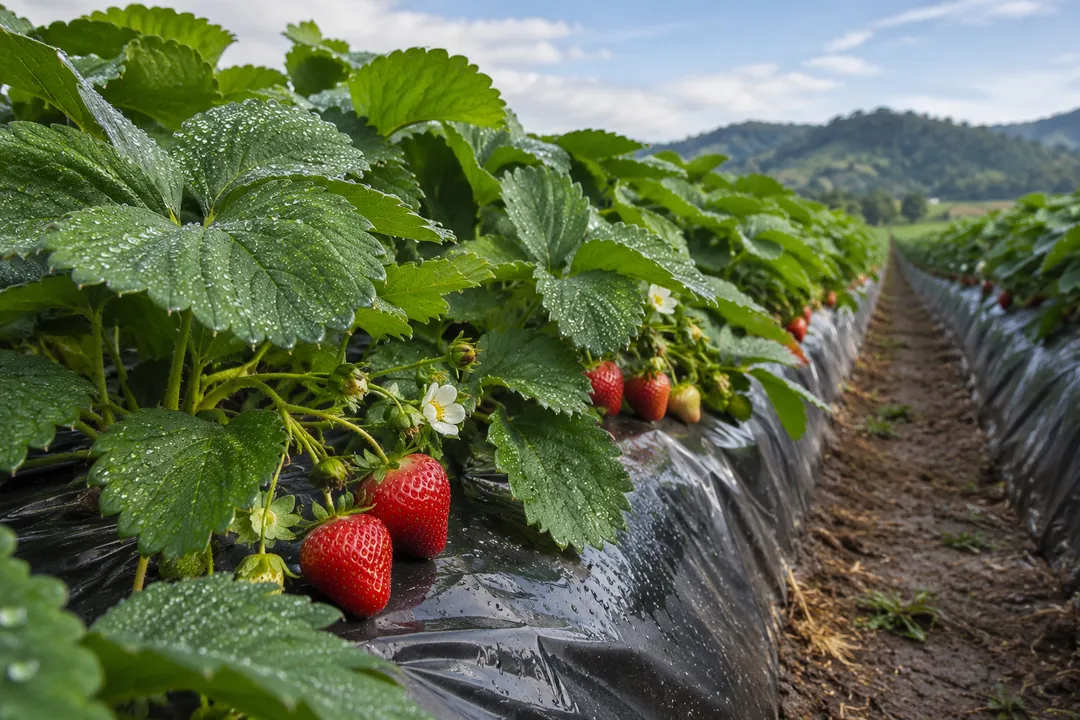
Moisture on plant surfaces can vary from the surrounding air humidity. Dew, rainfall, irrigation and drying conditions influence how long a canopy remains wet. Observing the duration and timing of wetness alongside temperature and weather conditions can help a grower understand the environment around a crop.
A sensor records conditions at its installed position. Different plant heights, canopy density, shading and airflow can produce different wetting and drying patterns across a field or greenhouse. Use a placement plan that reflects the crop and the decision the readings are intended to support.
Greenhouse and field applications
In protected cultivation, compare leaf wetness trends with irrigation, condensation and ventilation schedules. In outdoor crops, consider rainfall, dew, prevailing winds and differences between exposed and sheltered areas. Where several blocks have different crops or microclimates, more than one monitoring point may be needed to understand those differences.
Leaf wetness data can be combined with temperature and humidity observations in crop monitoring workflows. A sensor reading alone does not diagnose plant disease or establish a treatment requirement; interpret it with crop observations and the management practices used at the site.
Placement and installation
Position the sensing surface to represent the crop canopy and follow the supplied mounting instructions. Consider height, orientation, shading and proximity to irrigation equipment. Avoid placing the sensor where surrounding structures or handling can obstruct it or where it no longer reflects the part of the crop being monitored.
Record the sensor location and orientation. If the crop grows or the installation is moved, note the change so that later readings can be interpreted in context. Provide access for inspection and protect the cable and transmitter from accidental damage.
Communication and maintenance
The listed options include RS485 Modbus, LoRaWAN, WiFi and 4G configurations. Analog 4–20 mA and 0–5 V outputs are listed as optional. Check the exact model and network requirements for the intended controller or gateway. The product specifications list an IP67 protection rating; review the installation instructions for the selected assembly.
Inspect the sensing surface and cable regularly. Dust, deposits or physical obstruction can affect the surface exposed to moisture; clean it using the supplied instructions. For a quotation, provide crop type, growing environment, number of monitoring points and required communication interface. Explore the smart agriculture range and greenhouse monitoring solution.
Selection and integration
Industry applications
- Crop production
- Commercial horticulture