
Agriculture Sensors: Matching Measurements to Farm Decisions
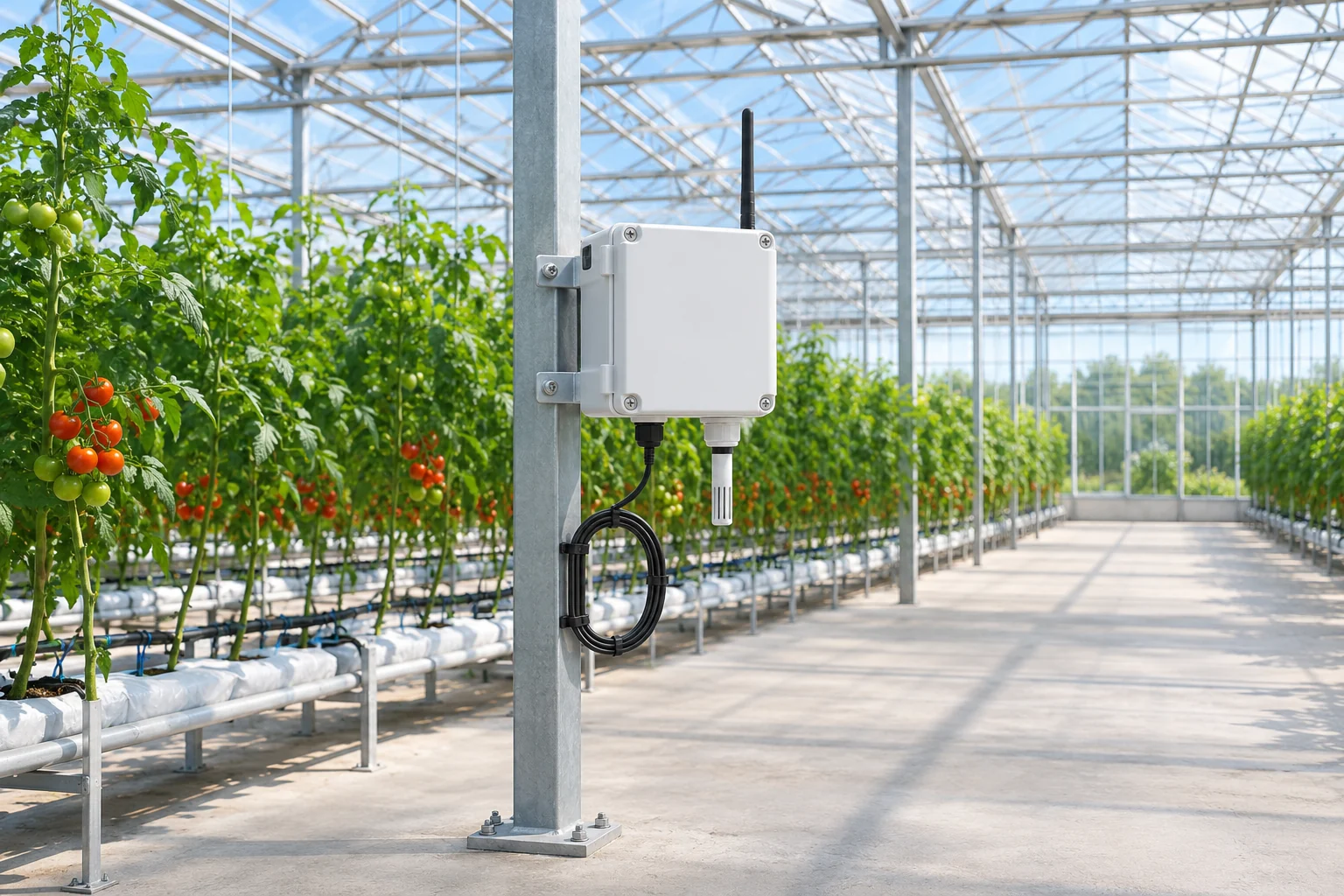
Agriculture sensors are useful when the measured quantity and location support a practical farm decision. Begin with the field, crop system and operating responsibilities. Then determine which soil, air, water or weather measurements are needed instead of assembling the largest possible list of channels.
Map decisions to measured quantities
Write each intended decision beside the information it needs. Separate measurements from agronomic interpretation and any automatic action. A sensor reading does not by itself establish a crop target, fertilizer recommendation or irrigation-control method.
| Measurement group | Question to define |
|---|---|
| Root-zone conditions | Which soil or substrate, location and depth matter? |
| Air conditions | Which crop or operating zone should the reading represent? |
| Water measurements | Which water source or process is being assessed? |
| Weather observations | Which quantities, exposure and time basis are required? |
| System operation | Who acts on data and maintains the measurement path? |
Treat zones and methods as part of the specification
Identify meaningful differences in soil, substrate, irrigation and exposure before choosing sensor locations. A field boundary is not necessarily a measurement zone. Keep the rationale for each point so the installation can be reviewed when crops or management practices change.
For every quantity, ask what the instrument actually measures and how its output is derived. A moisture percentage, soil-test result and electrical conductivity reading describe different information. Do not substitute one for another because their trends appear similar during a short observation.
Compare installation and service obligations
Document the environment and the practical tasks needed to inspect, verify or replace a device. Include power, communications and the receiving service in the comparison. An optional wireless interface does not automatically include the network, application or maintenance arrangement.
Use a pilot to review the measuring positions and data interpretation with the operator. Record configuration and site conditions. The useful result is evidence for a specific operating arrangement, not a general promise of crop or resource outcomes.
Prepare the farm measurement record
- Give each point a zone, location and sensor identifier.
- Record the quantity, unit and relevant method.
- Keep reference checks and configuration changes with the data.
- Agree how missing readings are identified.
- Assign service responsibilities before expanding the installation.
Use the agricultural sensor category with the soil monitoring installation guide to prepare the measurement requirements. Confirm the specific device model, fitted options and applicable documents before ordering.
Frequently asked questions
Does a multi-parameter sensor include every agricultural measurement?
No. Confirm the fitted channels and their methods for the ordered configuration.
Can a field reading replace an agronomic recommendation?
Keep measurement evidence separate from the crop- and site-specific interpretation required for the decision.