Ammonia monitoring
Technical specifications
| Parameter | Specification |
|---|---|
| Gas Type | Ammonia (NH₃) |
| Measurement Range | 0~100ppm |
| Resolution | 0.1ppm |
| Response Time | ≤90s |
| Warm-up Time | ≥5min |
| Zero Drift | ≤±2ppm |
| Repeatability | Excellent long-term stability |
| Parameter | Specification |
|---|---|
| Power Supply | DC10~30V (24V Standard) |
| Protection Rating | IP65 Waterproof & Dustproof |
| Communication Interface | RS485 Modbus RTU |
| Optional Wireless | LoRaWAN / WiFi / BLE / 4G |
| Analog Output | 4-20mA / 0-5V |
| Housing Material | Flame-retardant ABS |
| Installation | Wall Mount / Pipe Mount |
| Model | Communication | Application |
|---|---|---|
| YF500-NH3(R) | RS485 | Farm & Industrial Monitoring |
| YF500-NH3(L) | LoRaWAN | Wireless Remote Monitoring |
| YF500-NH3(W) | WiFi | Local IoT Network |
| YF500-NH3(4G) | 4G | Remote Cloud Monitoring |
| YF500-NH3(20) | 4-20mA | Industrial Control System |
| YF500-NH3(V5) | 0-5V | PLC Analog Integration |
YF500-NH3 ammonia monitoring for farms and facilities
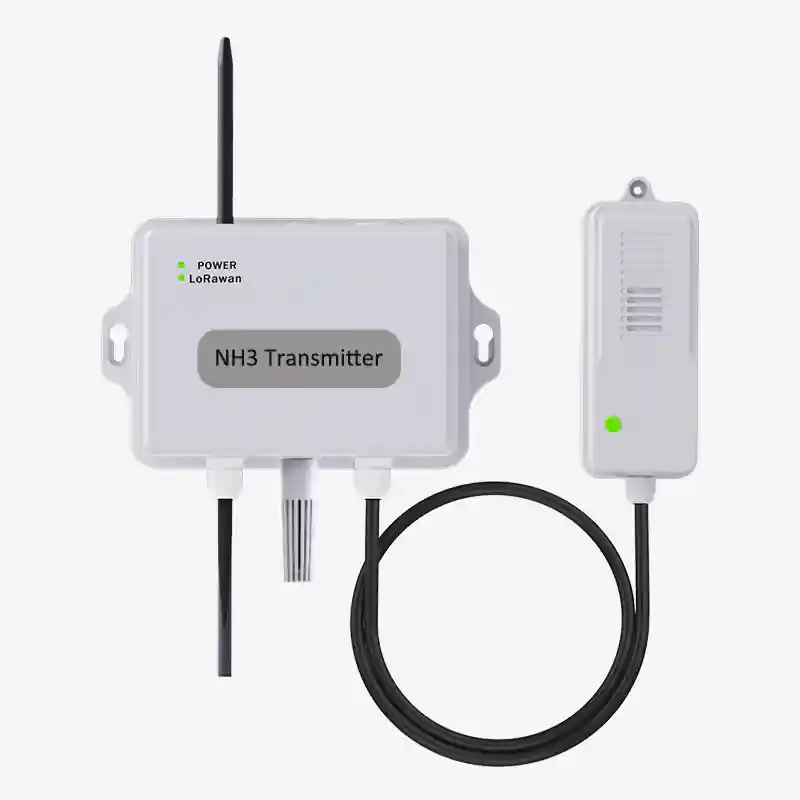
The YF500-NH3 is an ammonia gas sensor for projects that need to observe NH₃ concentration in the surrounding air. Its listed measurement range is 0–100 ppm with a resolution of 0.1 ppm. The available configurations include a wired RS485 Modbus RTU version and alternatives for different data-collection systems. Identify the gas, expected range and interface before choosing an ordering code.
Understand the monitoring objective
Ammonia can arise in animal housing, manure-handling areas and other industrial or agricultural settings. Monitoring points should be chosen in relation to potential sources, ventilation, areas occupied by people or animals, and the purpose of the measurement. A single reading describes conditions at the sensor location; readings from different areas may differ as airflow and activity change.
For livestock buildings, compare ammonia trends with the operation of fans and ventilation openings, the location of animals and routine cleaning. Temperature and humidity readings can provide useful context. The YF500-NH3 is an ammonia gas sensor; a separate combination transmitter may be considered where the project also requires CO₂ and other environmental parameters.
Select the output and integration method
The standard communication interface listed for this model is RS485 Modbus RTU. Wireless options and analog outputs are listed for other configurations. Choose the ordering code that matches the controller or data collection system, and confirm the supply voltage, wiring, protocol settings and any required accessories. Wireless communication requires a suitable network at the installation site.
When connecting a sensor to a controller, define how the receiving system will display and record data, what notifications are required and who will respond to an abnormal reading. Review alarm thresholds and response procedures against the rules and operating practices applicable to the site. A monitoring device is one component of the overall system and response plan.
Installation and routine checks
Consider the expected gas movement, airflow, obstructions and maintenance access when selecting a location. Avoid positioning the instrument where the sensing area can be obstructed or where routine washing and physical activity could interfere with it. Follow the supplied installation instructions for the selected enclosure, probe and mounting arrangement.
Before commissioning, record the model, configuration, measurement location and interface settings. Allow for the listed warm-up period and check readings and communication against the commissioning procedure. Arrange inspection, cleaning and calibration according to the actual operating environment and the applicable product instructions. Unexpected readings should be investigated in the context of site conditions and verified using an appropriate procedure.
Ordering information
For a quotation, specify the number of monitoring points, target gas, desired range, power supply and preferred interface. Describe whether the sensors will connect to a PLC, gateway or another data collection system. Explore the livestock environment monitoring solution and the smart agriculture sensor range for related measurements.
Selection and integration
Industry applications
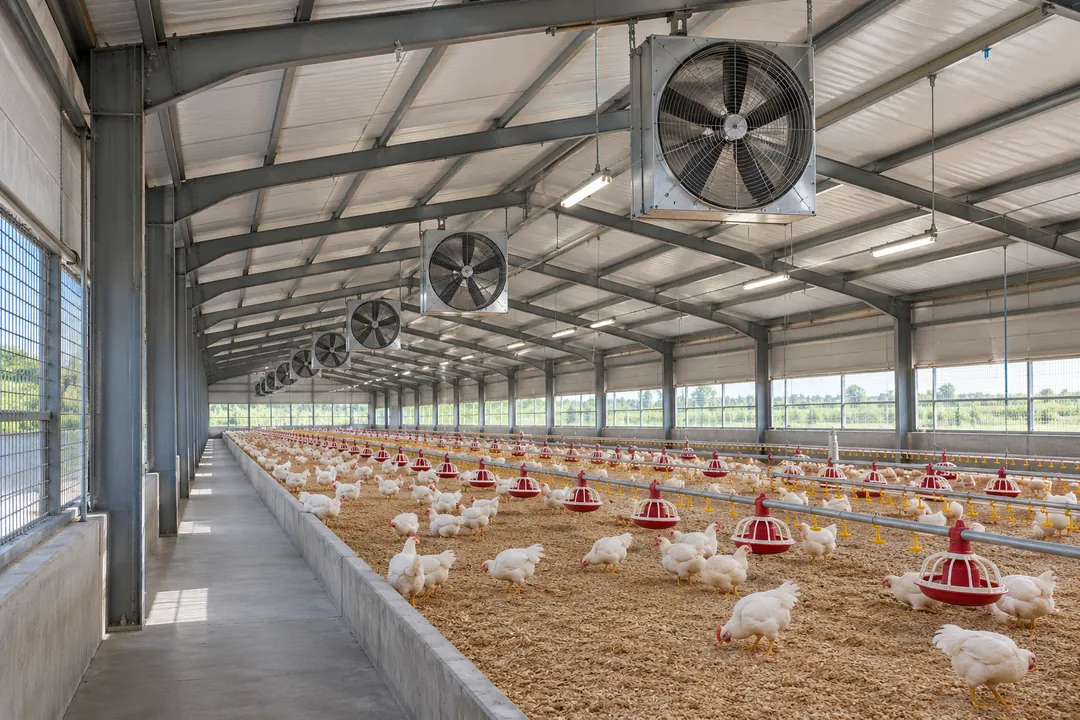
- Poultry farming
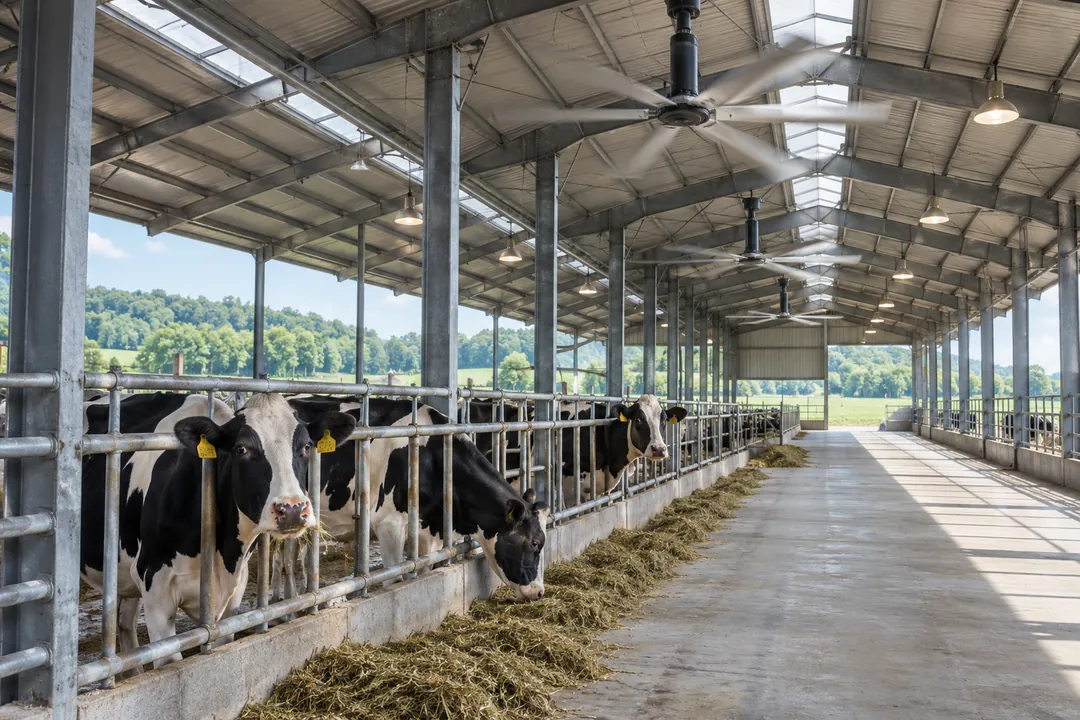
- Livestock farming
- Manufacturing