Indoor air quality measurements for connected buildings
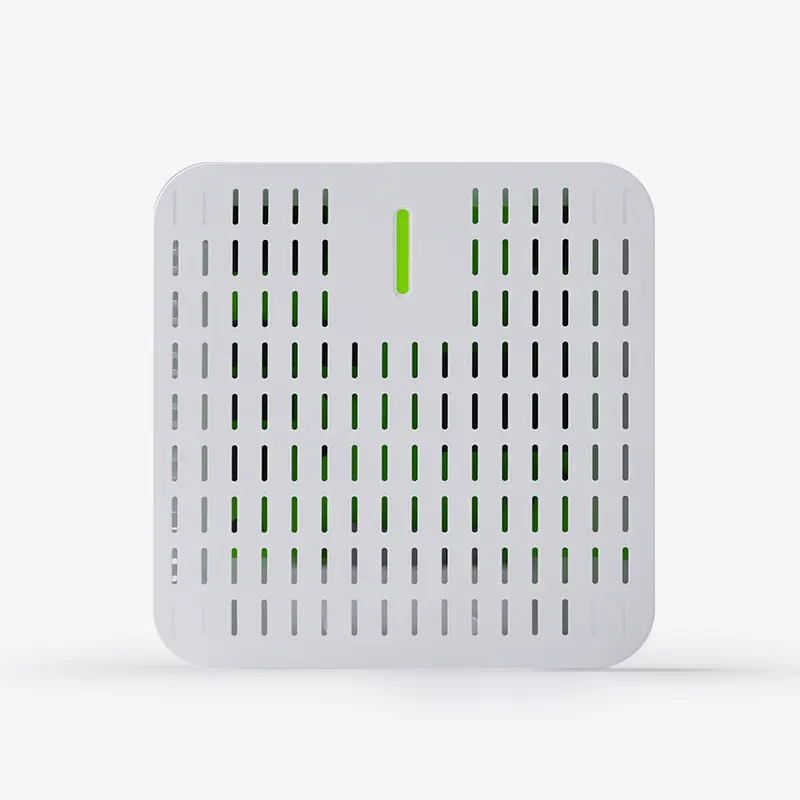
In offices, classrooms and public buildings, monitoring the air in occupied spaces helps facility teams understand how conditions change over the day. The YF106 supports configurable measurements of particulate matter, carbon dioxide and other indoor air parameters alongside temperature and humidity. These readings can be considered with occupancy and ventilation schedules to build a more complete picture of a room.
The listed detection parameters include PM1.0, PM2.5 and PM10, CO₂, TVOC and formaldehyde. Additional gas detection options include carbon monoxide, ozone, oxygen, ammonia, hydrogen sulfide, nitrogen dioxide and sulfur dioxide. Sensor combinations vary: identify the specific channels needed for each project when requesting a configuration.
Applications
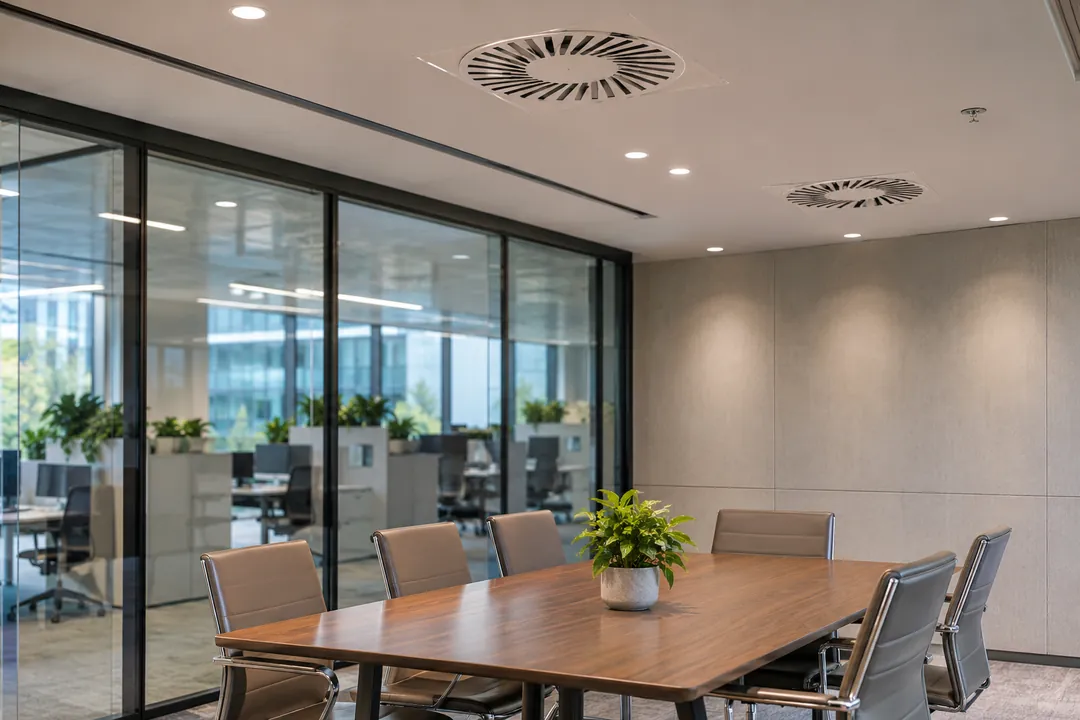
Offices and commercial buildings
Place monitoring points where they represent occupied areas. Compare changes in CO₂ and particulate readings with the operating schedule and ventilation patterns. Consider separate locations where room use or air distribution differs.
Schools and healthcare facilities
Classrooms, waiting areas and other shared spaces can have different occupancy patterns throughout the day. Define the parameters and reporting intervals needed for each space, and consider practical access for inspection and maintenance.
Building management integration
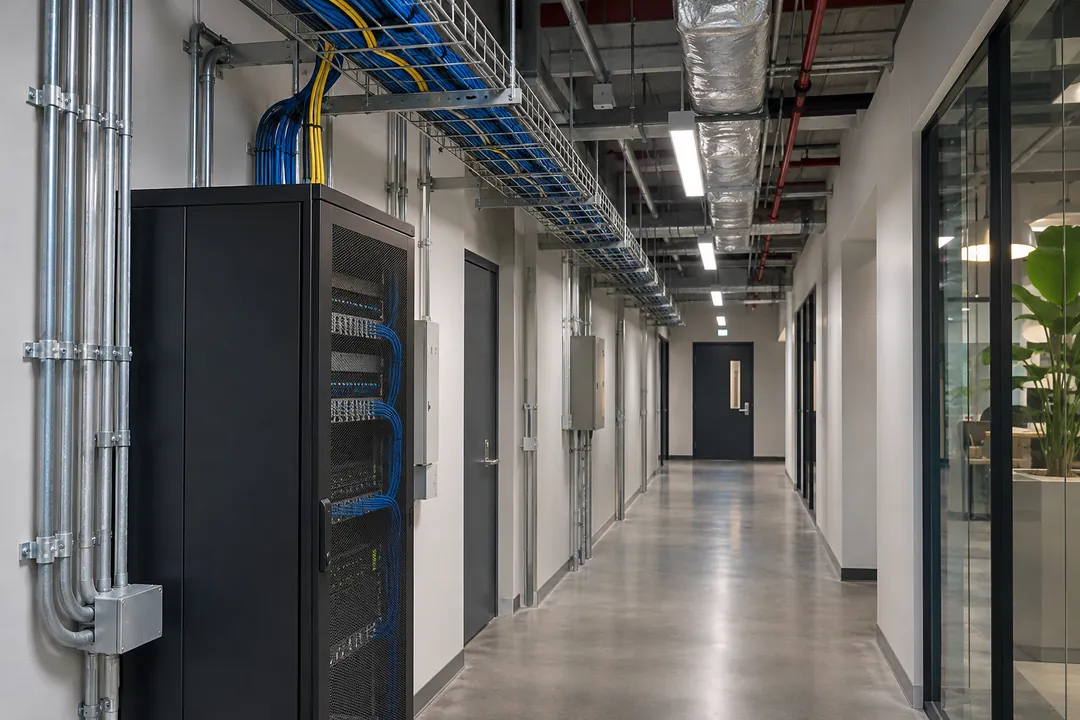
Choose a communication version that matches the receiving controller or monitoring system. The listed versions include wired and wireless options. Review the building network, power source, cable route and compatibility of the selected interface before installation.
Technical specifications
| Parameter | Specification |
|---|---|
| Power Supply | DC 10~30V / PoE Optional |
| Communication | Ethernet MQTT / PoE / RS485 / LoRaWAN / 4G / WiFi / Bluetooth |
| Housing Material | Flame-retardant ABS |
| Installation | Wall Mount / Ceiling Mount |
| Dimension | 168 × 168 × 30mm |
| Operating Temperature | -10℃ ~ 55℃ |
| Operating Humidity | 0~99%RH |
| Parameter | Range |
|---|---|
| PM1.0 / PM2.5 / PM10 | 0~1000 μg/m³ |
| CO₂ | 400~5000 ppm |
| TVOC | 0~5000 μg/m³ |
| HCHO | 0~5000 μg/m³ |
| CO / O₃ / O₂ / NH₃ / H₂S / NO₂ / SO₂ | Optional Gas Detection |
| Temperature & Humidity | Environmental Monitoring |
| Noise / Atmospheric Pressure | Environmental Monitoring |
| Model | Communication | Application |
|---|---|---|
| YF106-R | RS485 Modbus | Building automation and wired monitoring systems |
| YF106-L | LoRaWAN | Large-area wireless indoor monitoring |
| YF106-W | WiFi | Smart building and local network applications |
| YF106-4G | 4G | Remote monitoring without network limitation |
| YF106-B | Bluetooth | Configuration and short-distance communication |
| YF106-P | PoE + Ethernet MQTT | Commercial buildings and smart IoT systems |
Listed measurement ranges
Model selection and connectivity
The YF106-R is listed with RS485 Modbus; YF106-L with LoRaWAN; YF106-W with WiFi; YF106-4G with 4G; YF106-B with Bluetooth; and YF106-P with PoE and Ethernet MQTT. Select the version appropriate for the monitoring system. Different communication methods are configuration choices rather than a guarantee that every interface is present on one unit.
Installation and maintenance planning
Choose a representative position away from direct airflow outlets and obvious local sources that could distort the readings. Avoid locations where normal cleaning, furniture or equipment will obstruct the sensing area. Allow access for inspection and follow the installation instructions supplied for the selected model.
Record the location, configured channels and communication details for each device. When comparing readings across a building, consider differences in occupancy, ventilation and sensor position. Plan maintenance and calibration according to the documentation for the actual sensor modules supplied.
Planning measurement coverage
Start by listing the spaces that need to be monitored and the decisions the readings will support. A classroom, open-plan office and laboratory may have different ventilation patterns and pollutant sources. Identify representative locations for each area and consider whether several points are needed to understand differences between zones.
Keep the sensing area clear and accessible. Avoid placing the device directly beside a supply vent, doorway or local source if that position would not represent the area being monitored. Document any later change in location or room use so that historical readings can be interpreted correctly.
Reviewing readings over time
Look at particulate, gas, temperature and humidity readings together with occupancy, ventilation schedules and activities in the space. Unexpected changes can reflect a local event, a change in airflow or a need to inspect the sensor. Confirm which sensing modules are installed before comparing readings between devices.
Related products and applications
Explore the YF100 indoor air quality monitor, our indoor air quality sensor range, and the indoor air quality monitoring application.
Industry applications
- Commercial buildings
- Schools and education