Online water monitoring
Tryptophan monitoring can be considered as part of a broader water monitoring programme. Review the sample conditions, calibration plan and installation arrangement before specifying the probe.
Technical specifications
| Parameter | Specification |
|---|---|
| Measurement Principle | Ultraviolet Fluorescence Method (280nm UV Excitation) |
| Measurement Range | 0-5000 ppb (Tryptophan) |
| Resolution | 0.1 ppb |
| Linearity | R² > 0.999 (Continuous dilution of standard solution) |
| Calibration Method | Zero-point / Single-point / Dual-point Calibration |
| Parameter | Specification |
|---|---|
| Operating Voltage | DC 10V~30V (Standard 24V) |
| Operating Current | ≤200mA |
| Default Output | RS485 Modbus RTU |
| Optional Communication | LoRaWAN / WiFi / Bluetooth / 4G |
| Cable Length | 10m Standard (Customizable) |
| Parameter | Specification |
|---|---|
| Main Housing | ABS Flame-Retardant Housing |
| Probe Material | 316L Stainless Steel (Titanium Optional) |
| Protection Rating | IP68 |
| Maximum Operating Pressure | 3 bar |
| Sensor Operating Temperature | 0℃ ~ 50℃ |
| Storage Temperature | -30℃ ~ 60℃ |
| Installation Method | Immersion Type / Flow-through Type |
| Sensor Thread | NPT 3/4" |
| Dimensions | Main Unit: 124×94×45mm Sensor: Φ50mm × 176.3mm |
Online tryptophan fluorescence monitoring
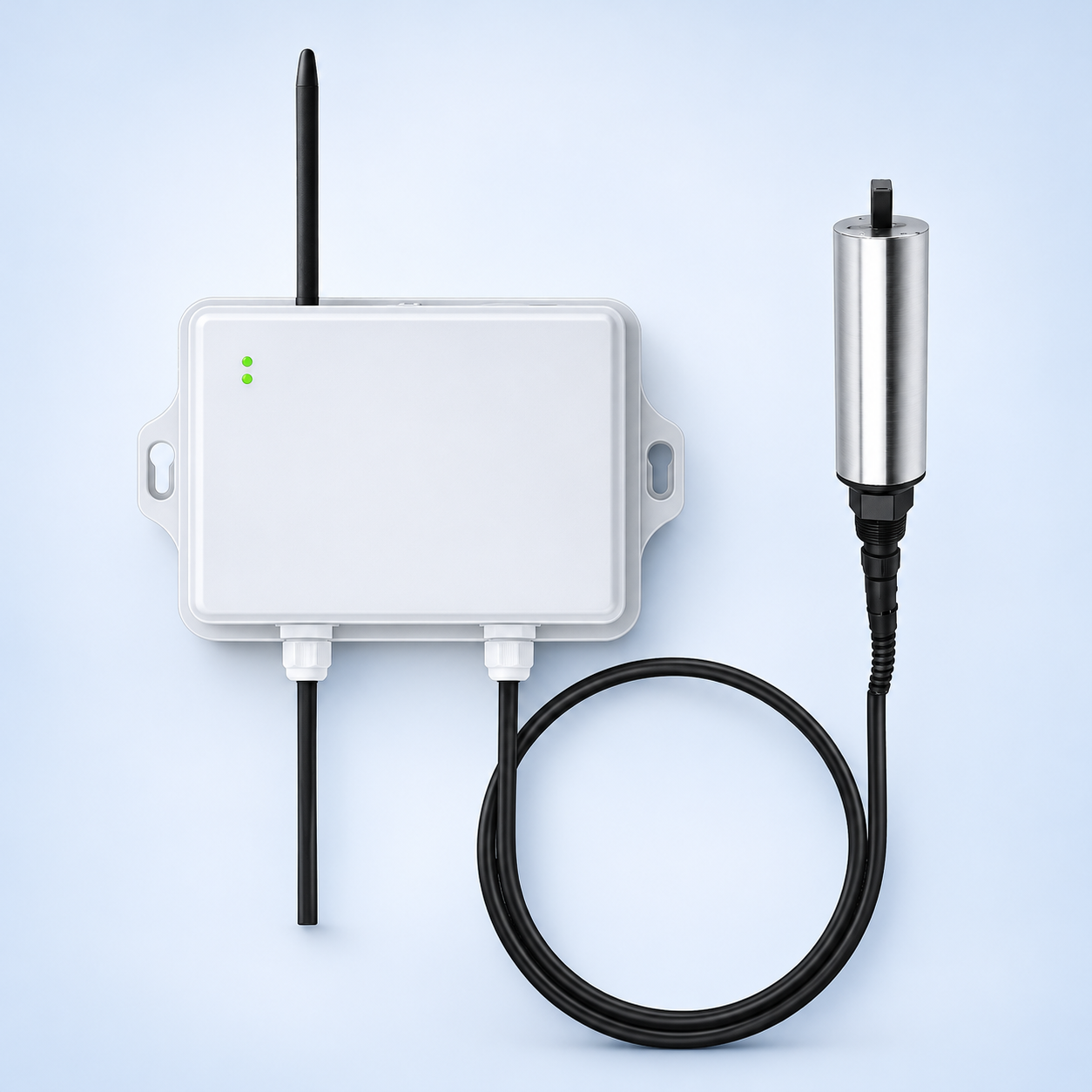
The YF500-A is an online sensor for measuring tryptophan using ultraviolet fluorescence. The specified measurement range is 0–5,000 ppb with 0.1 ppb resolution. It can be incorporated into a water monitoring programme where continuous observation at a defined sampling point is useful. Measurement interpretation should account for the sample matrix and the calibration procedure used at the site.
Online measurements help operators observe changes over time at an installed probe. A fluorescence signal is not a direct measurement of every type of organic contaminant, nor does it establish compliance or identify the source of a change by itself. Use it alongside the sampling, laboratory analysis and other water quality measurements appropriate to the monitoring objective.
Choose a representative measurement point
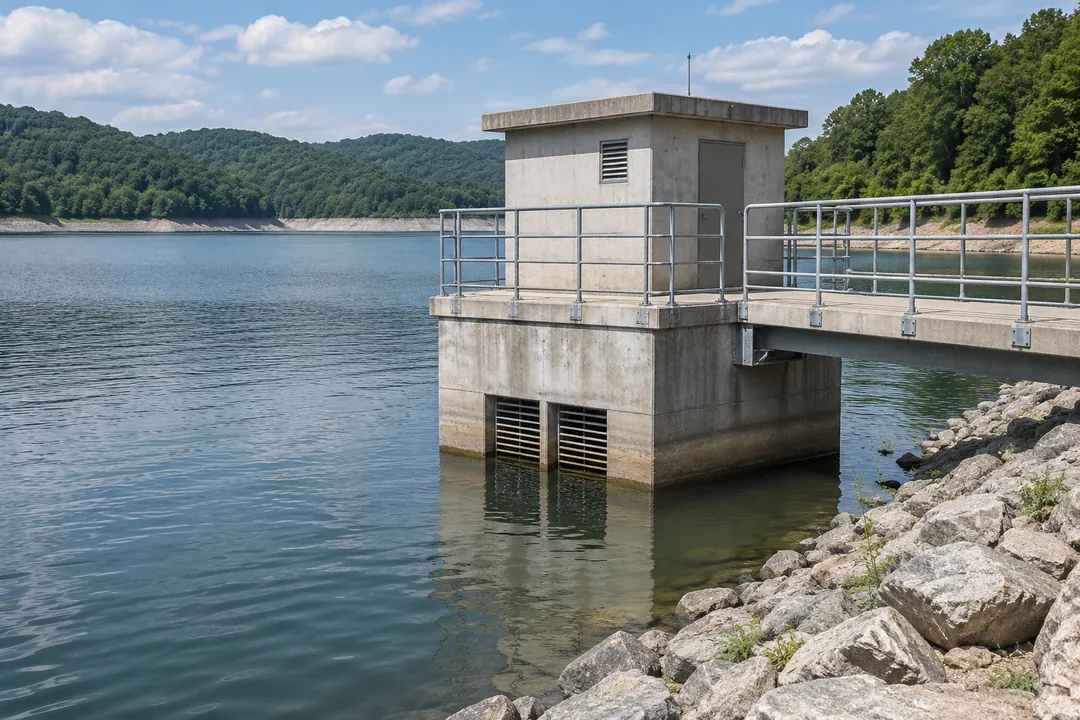
Define whether the project will use an immersion installation or a flow-through arrangement. Select a point that represents the water being monitored and provides suitable access for inspection, cleaning and calibration. Consider the flow path, air bubbles, suspended material, fouling and changes in water composition, because site conditions can influence an optical measurement.
The listed probe material is 316L stainless steel, with titanium available as an option. Review material compatibility for the actual medium and choose fittings suitable for the installation. The specification lists a 3/4-inch NPT sensor thread, a maximum operating pressure of 3 bar and a sensor operating temperature of 0–50 °C. Apply these limits to the supplied configuration and installation.
Calibration and data interpretation
The listed calibration methods are zero-point, single-point and dual-point calibration. Establish a calibration and verification procedure with standards appropriate to the intended measurement. Record the method, standard, date and result so that trends and later changes can be evaluated consistently.
The sensor uses 280 nm UV excitation. Its stated linearity is R² greater than 0.999 for continuous dilution of a standard solution; results in actual water can differ with sample conditions. Compare online readings with suitable reference measurements when establishing the monitoring programme. Investigate sudden changes in conjunction with operating records, maintenance and other relevant measurements.
Optical window cleaning
The probe incorporates an automatic cleaning wiper intended to remove deposits and bubbles from the optical window. Inspect the cleaning mechanism and sensing window during routine maintenance, particularly where the water contains suspended solids or biofilm. Automatic cleaning does not replace calibration or periodic inspection; follow the operating instructions and verify the measurement after service.
Power and communications
RS485 Modbus RTU is listed as the default output. LoRaWAN, WiFi, Bluetooth and 4G are optional communication choices; specify the required version when ordering. The listed supply range is DC 10–30 V and standard cable length is 10 m, with custom length available. Confirm the cable route, supply and receiving system before installation.
Maintenance and project planning
Inspect and clean the optical sensing area according to the operating instructions and the fouling conditions at the site. Verify readings after cleaning, calibration or relocation, and keep a maintenance record. Share the water type, installation method, pressure, expected range and output requirements when requesting product information.
Selection and integration
Industry applications
- Water treatment
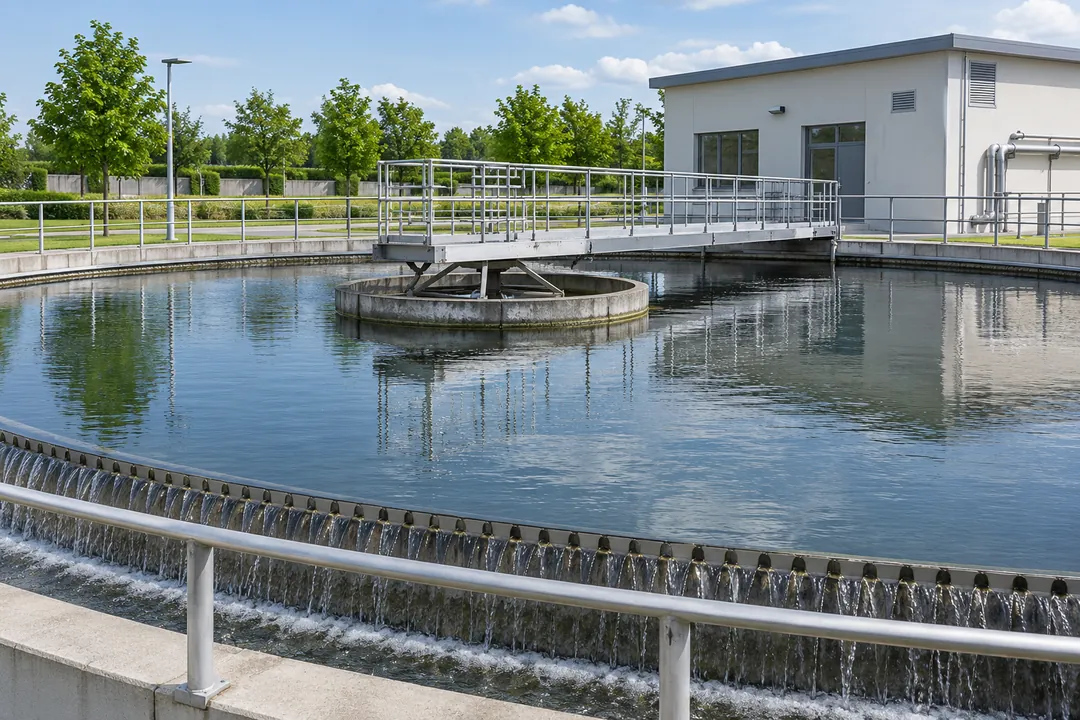
- Wastewater treatment
- Environmental monitoring