
Turbidity Sensors and Transmitters: Measurement and Installation
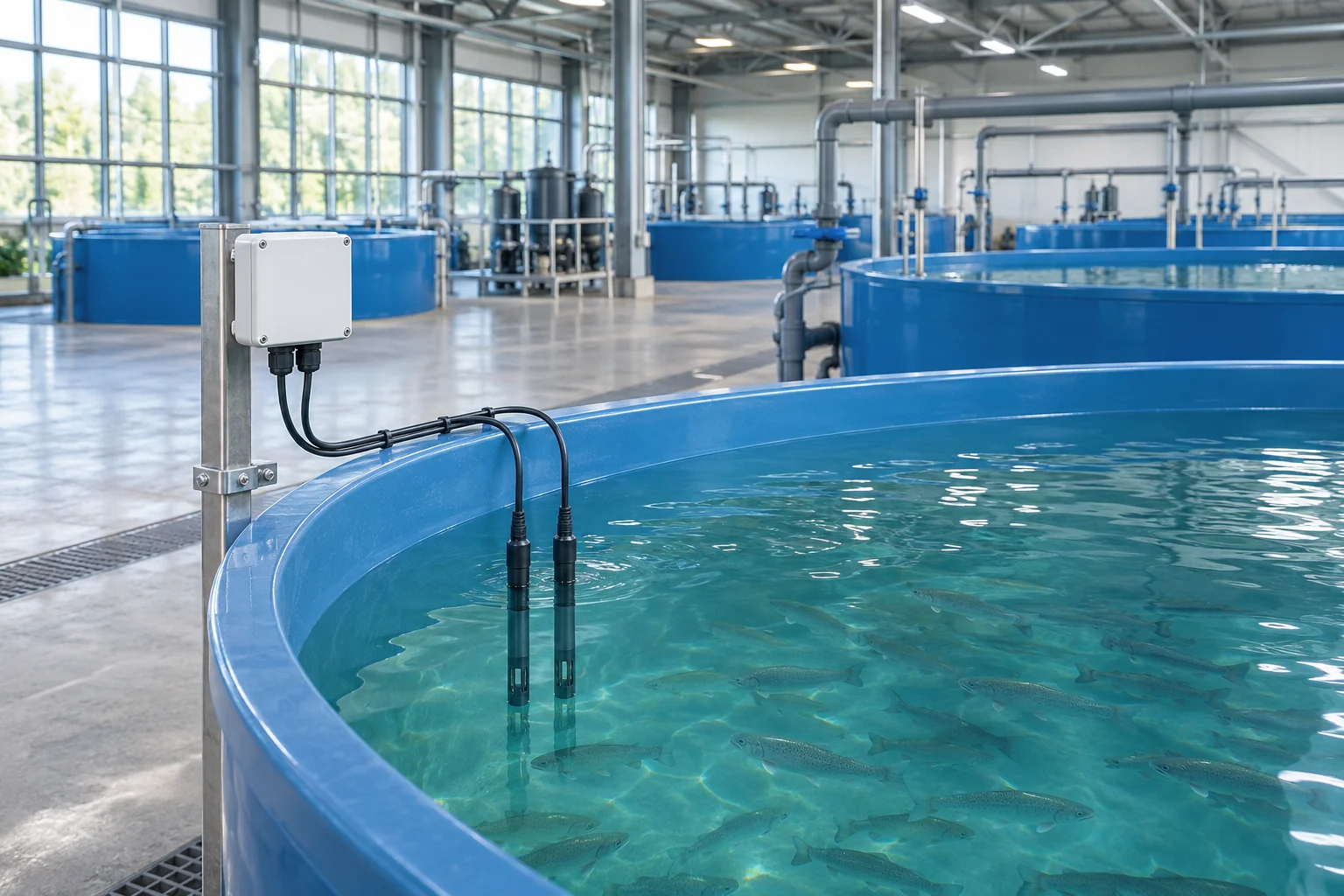
A turbidity transmitter should be selected using the actual measurement method and water conditions. Turbidity is an optical measurement related to how material in the water affects light. It is not the same quantity as conductivity, and its value should not be treated as a direct identification of every substance in the sample.
Keep the optical method with the result
Request the instrument method, reporting unit and applicable conditions. Different optical arrangements or processing can affect comparability. A shared label such as turbidity does not establish that values from different methods can be substituted without assessment.
| Requirement | What to confirm |
|---|---|
| Method | The optical measurement and reporting basis |
| Unit | The exact unit used by the selected method |
| Water conditions | Expected measuring region and relevant material in the sample |
| Installation | Approved immersion or flow arrangement and optical-path requirements |
| Service | Cleaning, reference checks and replacement responsibilities |
Review the water path and service access
Describe the actual tank, channel or flow arrangement to the supplier. Ask how the proposed probe should be installed and what conditions require attention. Keep the approved instructions with the location record rather than assuming that an enclosure rating resolves the optical installation.
Plan access for inspection and cleaning. Record service events and the condition observed before maintenance. A changed result after cleaning should be interpreted with that history instead of silently treating the entire series as one unchanged measuring arrangement.
Agree the reference-check procedure
Use the method and reference materials approved for the selected instrument. Keep their identity, conditions and applicable instructions in the record. Do not transfer a checking or cleaning procedure from another design solely because both devices report turbidity.
Define acceptance criteria and how unexpected differences will be investigated. Keep original observations before any adjustment. Where another instrument is used for comparison, first establish compatible methods, units and sample conditions.
Verify data interpretation
- Confirm the fitted output and receiving equipment.
- Check the reported quantity, unit and scaling.
- Record timestamps and any processing.
- Test missing-data and documented status behavior.
- Keep broader water-quality conclusions separate from a single channel.
Use the water quality sensor category with the conductivity measurement guide to prepare the measurement requirements. Confirm the specific device model, fitted options and applicable documents before ordering.
Frequently asked questions
Does clear-looking water establish complete water quality?
No. Define the relevant measurements and assessment methods separately.
Is a turbidity reading automatically comparable across instruments?
Check the measurement methods, units and conditions before comparing them.