
What Does Water Conductivity Tell You? EC Measurement Basics
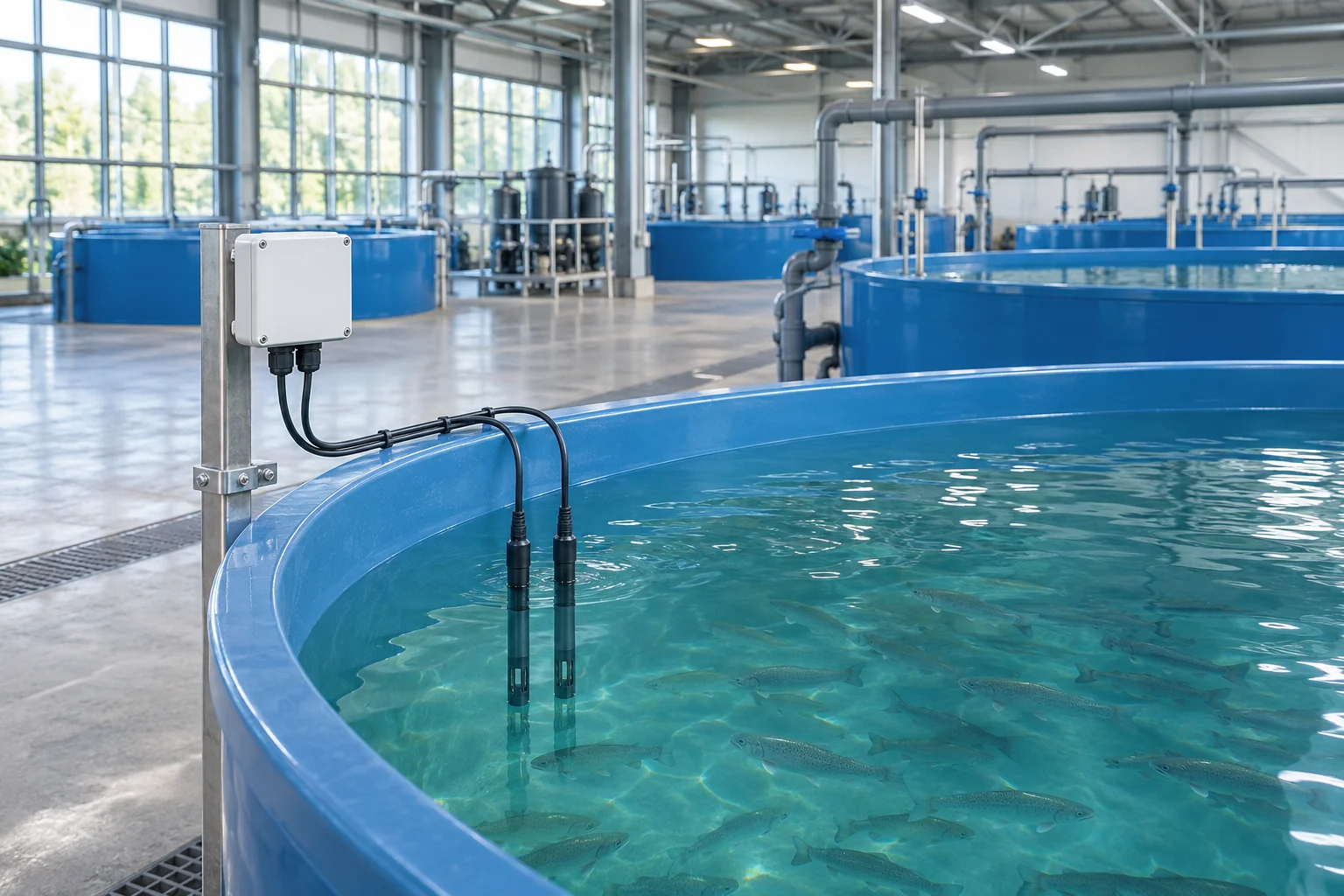
Water conductivity describes the ability of water to carry electric current. For a monitoring project, record the quantity, unit and temperature basis before comparing readings. An electrical conductivity sensor can support a defined water-quality task, but one EC value does not identify every dissolved substance or establish water suitability on its own.
Define the reported quantity
Ask whether the system reports conductivity at the measured temperature or a temperature-compensated value referenced to stated conditions. Keep these fields distinct in the data record. A label such as EC is insufficient when the temperature basis and processing are unknown.
| Field | What to confirm |
|---|---|
| Quantity | Measured conductivity or compensated specific conductance |
| Units | The exact unit and scale carried through the data path |
| Temperature | Measured temperature and compensation settings |
| Probe | Cell configuration and suitability for the intended water |
| Reference check | Solution identity, temperature basis and acceptance procedure |
Compare units before comparing values
Do not treat a change between microsiemens and millisiemens as a change in the water. Confirm the scale in the device documentation and receiving software. Preserve the original value and unit when exporting data, and document any conversion in a separate field.
Similarly, a value calculated as total dissolved solids or salinity needs its own documented relationship. An EC output does not automatically prove that those additional outputs are fitted or that a single conversion factor applies to every water type.
Choose and verify the probe configuration
State the expected water conditions, measurement region, installation and cleaning exposure. Ask the supplier to confirm the proposed cell and its documented limits. A choice suitable for one process liquid should not be assigned to another based only on a catalog range.
For a reference check, follow the selected instrument instructions and the reference solution documentation. Record whether compensation is enabled, what temperature is used and which value is being compared. Avoid an undocumented adjustment made solely to force agreement with another display.
Keep trends interpretable after commissioning
Store the sensor identifier, location and configuration with the measurement record. Note maintenance, solution changes and processing updates. If a trend changes after service, investigate those changes before interpreting the difference as a process event.
- Confirm the fitted output and required power.
- Check units and scaling at the receiving system.
- Retain temperature and compensation information.
- Test missing-data behavior and any available documented status fields.
- Assign cleaning and comparison-check responsibilities.
Review the multi-parameter water quality sensor alongside the water quality sensor category when preparing a project-specific specification. Confirm the actual model, fitted options and integration documents before ordering.
Frequently asked questions
Can EC identify a particular contaminant?
Not by itself. Define the substance and use a measurement method suited to that question.
Does temperature compensation mean temperature can be ignored?
No. Record the compensation method, reference conditions and applicable temperature information.