Measurement parameters
The OD100 is an indoor air quality monitor with model-dependent measurement channels and communications. Specify the required particles, gases and environmental parameters in your enquiry.

The OD100 is an indoor air quality monitor with model-dependent measurement channels and communications. Specify the required particles, gases and environmental parameters in your enquiry.
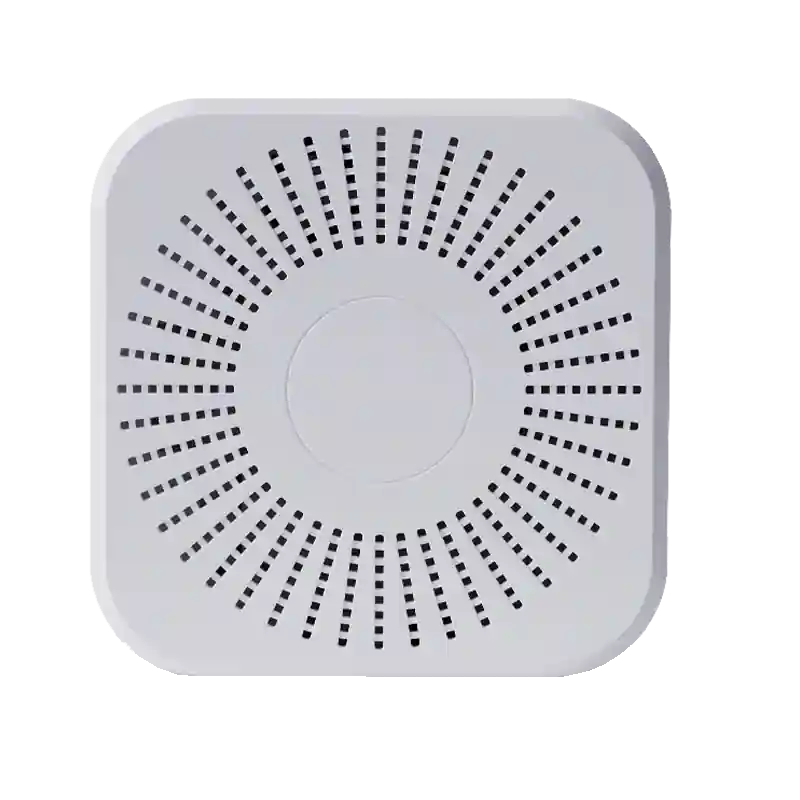
Product photograph · OD100
The OD100 is an indoor air quality monitor with model-dependent measurement channels and communications. Specify the required particles, gases and environmental parameters in your enquiry.
Indoor air quality sensor
Get a quote| Model | OD100 |
|---|---|
| Power supply | DC 10~30V |
| Dimensions | 100 × 100 × 30mm |
| Power supply / Standard configuration | 24V |
| Standard configuration | Pending confirmation |
| Optional configuration | RS485 / LoRaWAN / WiFi / 4G / Bluetooth |
| Model / Configuration checklist | OD100-R / OD100-L / OD100-W / OD100-4G / OD100-B |
| Measurement parameters | Measurement range | Resolution | Accuracy |
|---|---|---|---|
| PM1.0 / PM2.5 / PM10 | 0~1000 μg/m³ | — | Pending confirmation |
| Carbon dioxide sensor | 400~5000 ppm | — | Pending confirmation |
| TVOC | 0~5000 μg/m³ | — | Pending confirmation |
| HCHO | 0~5000 μg/m³ | — | Pending confirmation |
The OD100 is an indoor air quality monitor with model-dependent measurement channels and communications. Specify the required particles, gases and environmental parameters in your enquiry.
RS485 Modbus and LoRaWAN are integration options to discuss, not confirmed features of every product. Check protocol, power supply and network compatibility for the selected model.
Pending confirmation. Specify the medium, target parameters, measurement range, required accuracy, installation conditions and controller interface. Suitability must be checked against an approved datasheet.
Describe the building, occupancy pattern and ventilation controls. Identify the air parameters needed and the intended installation locations. Confirm each measurement channel on the chosen model.
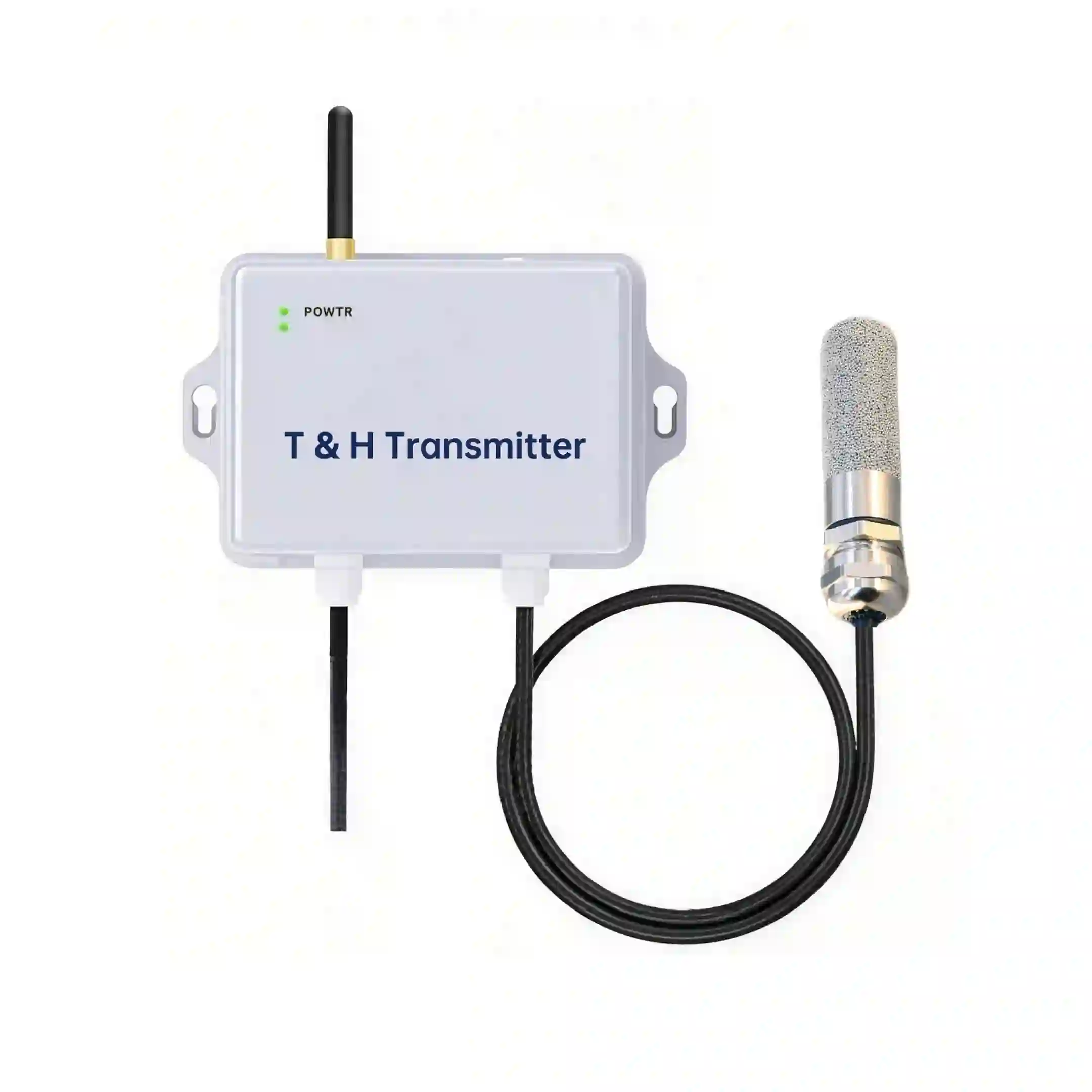
The OD500-TH measures industrial temperature and relative humidity. Its RS485 Modbus RTU output is listed as standard; alternative interfaces are model-dependent options.
Technical information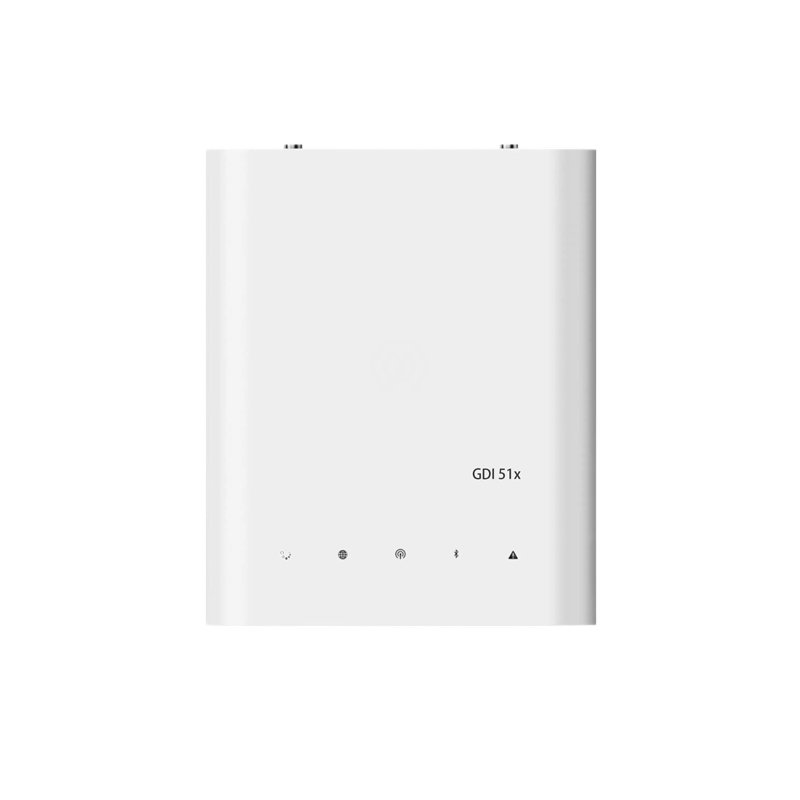
The GDI51 is an indoor LoRaWAN gateway based on the SX1302 chipset. Select the regional frequency version and confirm backhaul, power supply and network-server compatibility.
Technical informationSpecify the medium, target parameters, measurement range, required accuracy, installation conditions and controller interface. Suitability must be checked against an approved datasheet.
No. Interfaces, power supplies and accessories depend on the confirmed model. Request a written configuration identifying standard and optional items before ordering.
You can prepare and download an enquiry draft. Mailbox, online submission and WhatsApp are pending configuration; delivery has not been tested.
The OD100 is an indoor air quality monitor with channels and communications that vary by configuration. Consider the parameters needed for offices, classrooms or other occupied spaces.
Specify whether particulate matter, CO₂, TVOC, formaldehyde or other measurements are needed. Confirm each fitted channel, range and accuracy; do not assume every listed channel is standard.
Choose representative locations and consider airflow, nearby sources, power and maintenance access. Confirm the selected interface and controller compatibility.
Start with the question the monitoring system needs to answer and select the relevant channels. CO₂ can provide context for occupancy and ventilation, while particulate matter, TVOC and formaldehyde describe different aspects of indoor air. The fitted channels depend on the model ordered.
Position the monitor where it represents the occupied area, away from direct airflow and immediate local sources when possible. Review trends over time and alongside building operation; a single sensor reading is not a complete assessment of indoor air quality.
The OD100 is designed for indoor air monitoring where teams need to observe environmental conditions over time. Measurement channels and communication options vary by configuration. Define the questions your monitoring programme needs to answer, then specify the channels and interface for each location.
Indoor air can be assessed using different parameters. Carbon dioxide readings can provide context about occupancy and ventilation; particulate matter describes airborne particles; TVOC and formaldehyde channels address different aspects of indoor air. These measurements are not interchangeable, and one reading does not represent every aspect of air quality. Confirm which channels are fitted to the selected OD100 version, along with their ranges and accuracy.
Different spaces may need different measurements. An office, classroom or meeting room can have changing occupancy and ventilation throughout the day. Start with the building's use, potential sources and the purpose of monitoring rather than assuming that every available channel is required. The technical table lists measurement options, not a guarantee that every channel is installed in the standard configuration.
Choose a location representative of the area being assessed, with access to the power and communication connections required by the selected version. Consider airflow and nearby sources. A monitor placed immediately next to a supply vent, window, heat source or other localized influence may describe that point more than the occupied space as a whole.
For a large building, room layouts and operating patterns may vary. Record each monitor's location and compare readings with occupancy, ventilation schedules and site observations. A single device does not provide a complete assessment of every room or pollutant.
The listed communication options include RS485, LoRaWAN, Wi-Fi, 4G and Bluetooth, depending on configuration. Confirm the selected ordering version, power supply and compatibility with the intended monitoring system. Plan cable routes or wireless coverage before installation and keep the unit accessible for inspection.
Review the calibration and maintenance instructions for the fitted channels. Keep records of installation and service, and investigate unexpected changes alongside conditions in the room. The indoor air quality sensor range provides a starting point for comparing your monitoring needs.
Share your application, target parameters and integration requirements.