
ORP in Water: Interpreting Oxidation-Reduction Potential
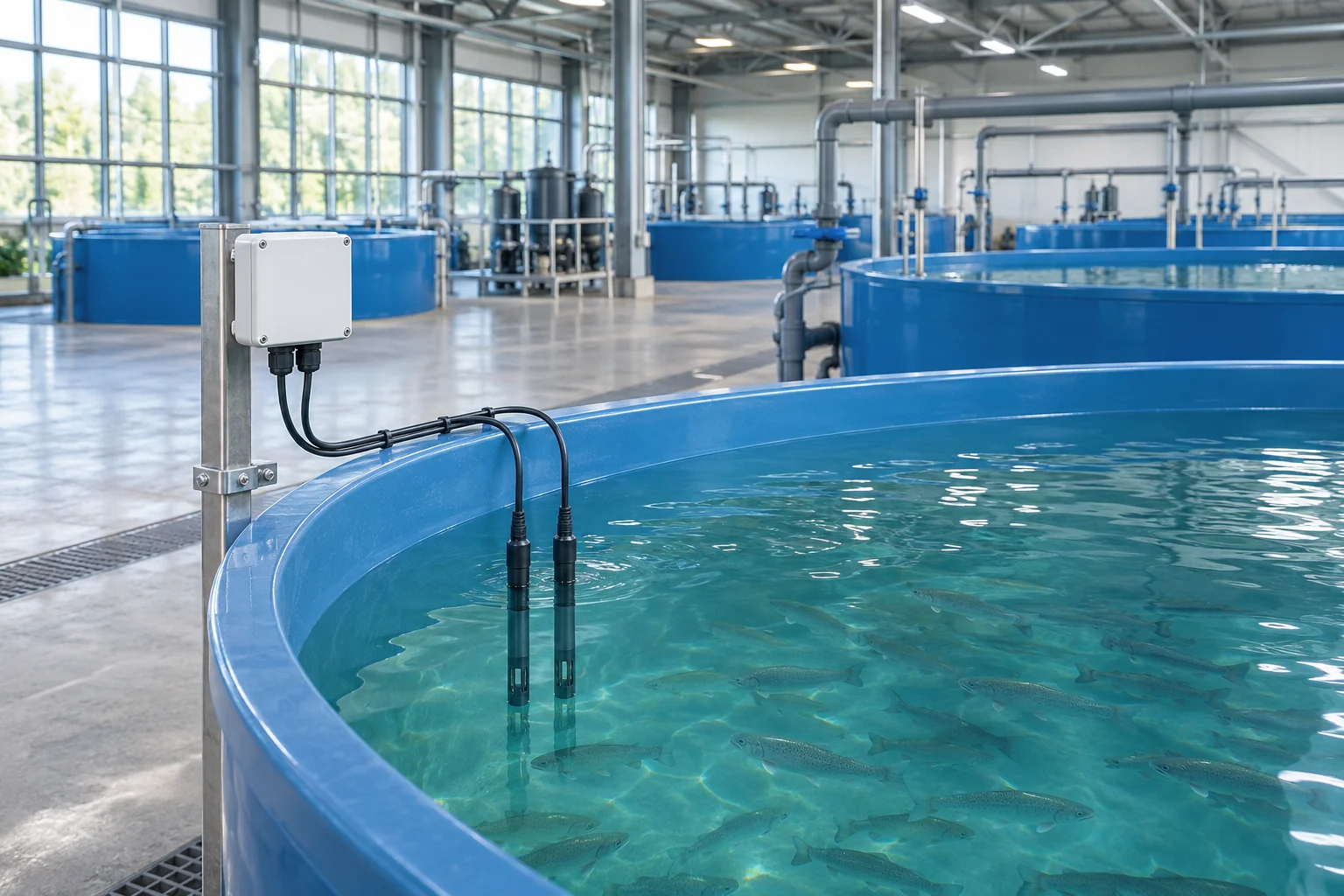
Oxidation-reduction potential, often called ORP or redox potential, describes an electrochemical measurement of a water system. A result needs its electrode reference, method and conditions before it can be interpreted or compared. One ORP value is not a direct measurement of every chemical species in the water.
Record the measurement basis
Ask which electrode and reference arrangement are used and how the result is reported. Values expressed in millivolts still need their measurement basis. Do not combine records from different reference or installation arrangements without assessing comparability.
Hach ORP measurement background
| Record item | Question it resolves |
|---|---|
| Electrode and reference | What does the reported potential relate to? |
| Water conditions | Which sample or process condition was measured? |
| Related measurements | What supporting information is needed for interpretation? |
| Checking procedure | Which reference material and method apply to this instrument? |
| Data path | Which quantity, unit and status reach the receiving system? |
Keep ORP separate from other quantities
ORP, pH and a concentration of a named chemical describe different information. They can be assessed together in a process, but should not be relabeled as one another. A claimed conversion or control relationship needs evidence for the actual water and method.
If a project aims to assess treatment or another process result, define the required supporting measurements and acceptance method. Do not use one redox value as standalone proof of disinfection, drinking-water suitability or a complete quality requirement.
Follow the selected electrode procedure
Obtain the actual installation, cleaning, checking and storage instructions. Confirm the appropriate reference procedure rather than assigning a pH calibration routine to an ORP electrode. Keep service events and observations before any adjustment in the measurement history.
For fixed monitoring, plan access and replacement. Retain the location and configuration so a change after service can be investigated. A new electrode or reference arrangement should not silently create a record described as unchanged.
Verify the integration and intended decision
- Confirm the actual fitted ORP channel and documentation.
- Check quantity, unit and scaling at the receiving system.
- Record supporting conditions and relevant time information.
- Test missing-data and available status behavior.
- Keep operational conclusions within the agreed measurement evidence.
Use the water quality sensor category with the pH measurement guide to prepare the measurement requirements. Confirm the specific device model, fitted options and applicable documents before ordering.
Frequently asked questions
Does an ORP channel directly report a disinfectant concentration?
Do not assume that equivalence. Require an applicable measurement or validated relationship for the intended quantity.
Does every multi-parameter water instrument include ORP?
No. Confirm the actual channel and configuration before ordering.