
What Is a pH Sensor? Measurement, Calibration and Installation
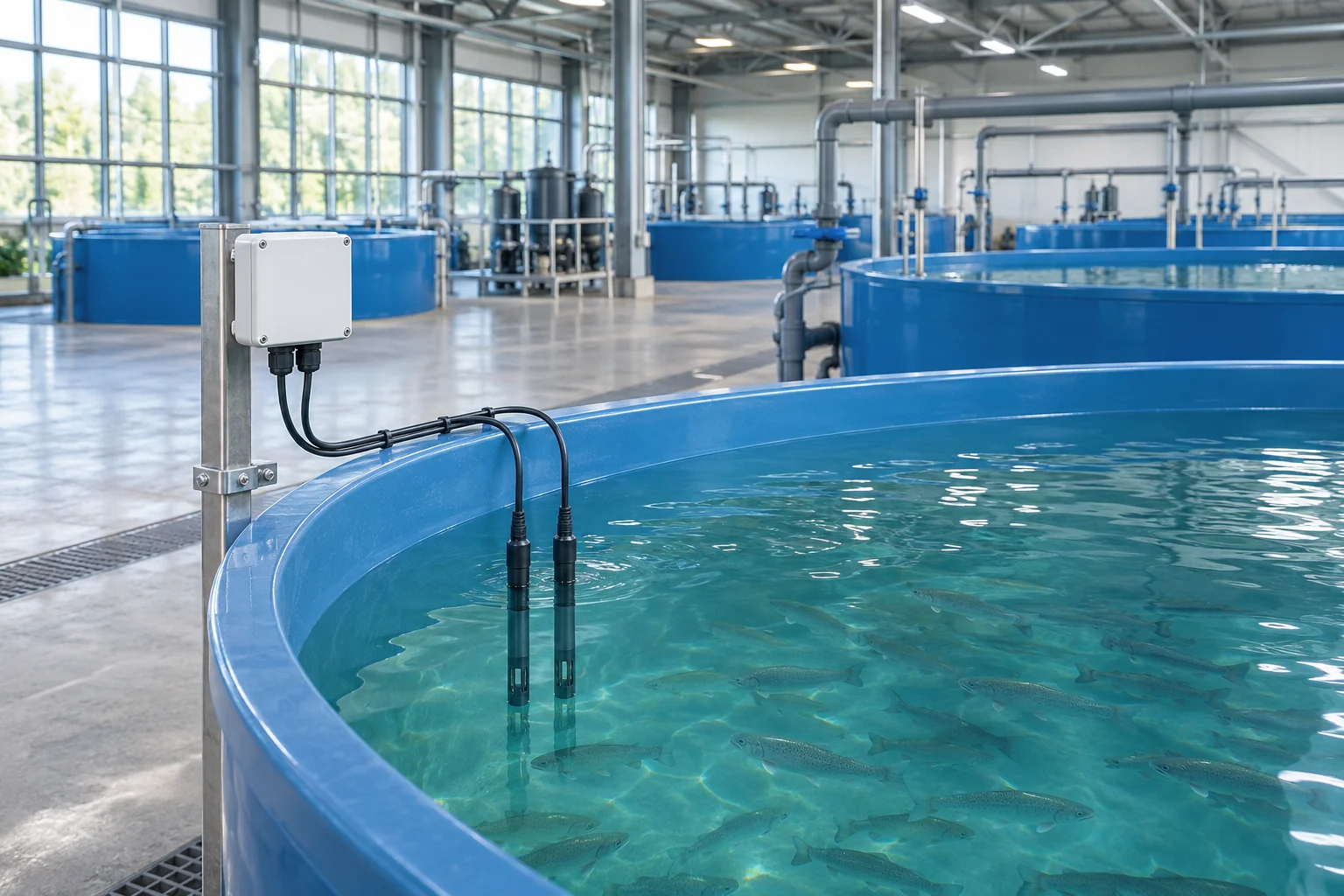
A pH sensor measures the acid-base condition of a solution through a specified measurement system. To choose one, document the liquid, expected conditions, installation and reference-check procedure. The electrode, temperature information, transmitter and receiving system all need attention; a displayed pH value alone is not a complete specification.
Describe the liquid and the measuring arrangement
Identify the process liquid and any substances or cleaning exposure that may affect electrode selection. State whether the installation is an open tank, flow arrangement or another documented configuration. Give the supplier the expected temperature and service conditions so the proposed assembly can be reviewed as a whole.
| Requirement | Supplier response to request |
|---|---|
| Liquid and conditions | Compatible electrode, wetted materials and documented limits |
| Installation | Approved mounting, immersion or flow arrangement |
| Temperature | Temperature measurement and compensation behavior |
| Verification | Applicable buffers, check procedure and acceptance criteria |
| Service | Storage, cleaning and replacement instructions |
| Output | Fitted interface and interpretation documentation |
Make calibration a controlled procedure
Use the approved reference solutions and manufacturer procedure for the selected assembly. Record solution identity, condition, temperature and the result before and after an adjustment where required. Do not substitute an unlabeled liquid for a reference solution or treat any displayed agreement as a traceable calibration.
Temperature compensation is not a promise that a sample has the same pH at every temperature. Ask which effect is compensated and how measurement temperature is reported. Keep measurement and reference-check conditions with the record so a later comparison has meaning.
Design for service access
Before choosing a fixed mounting point, work through a realistic removal, cleaning and replacement task. Ask how the electrode should be stored when out of service. Storage and cleaning instructions differ between designs; a convenient generic procedure should not replace the selected model manual.
Agree who reviews drift or unusual behavior and what evidence prompts investigation. A fixed maintenance interval copied from another site may not reflect this liquid or installation. Begin with the supplier guidance and revise the plan using recorded observations and the project quality requirements.
Verify interpretation at the receiving system
Confirm the exact fitted output and any required transmitter. For a digital device, check units, scaling and status information against the register map. For an analog device, record the signal mapping and how the controller responds to abnormal conditions. Retain original readings when troubleshooting instead of silently applying offsets.
Use the multi-parameter water quality sensor information with the water quality sensor category when preparing an inquiry. Confirm whether the desired electrode and additional channels are included or optional for the proposed configuration.
Frequently asked questions
Does a pH value prove that water is safe to drink?
No. A single parameter is not a complete assessment of water suitability or compliance.
Can every pH electrode use the same cleaning and storage method?
No. Obtain the instructions for the electrode and assembly actually supplied.