
Rain Sensors vs Rain Gauges: Detection, Amount and Intensity
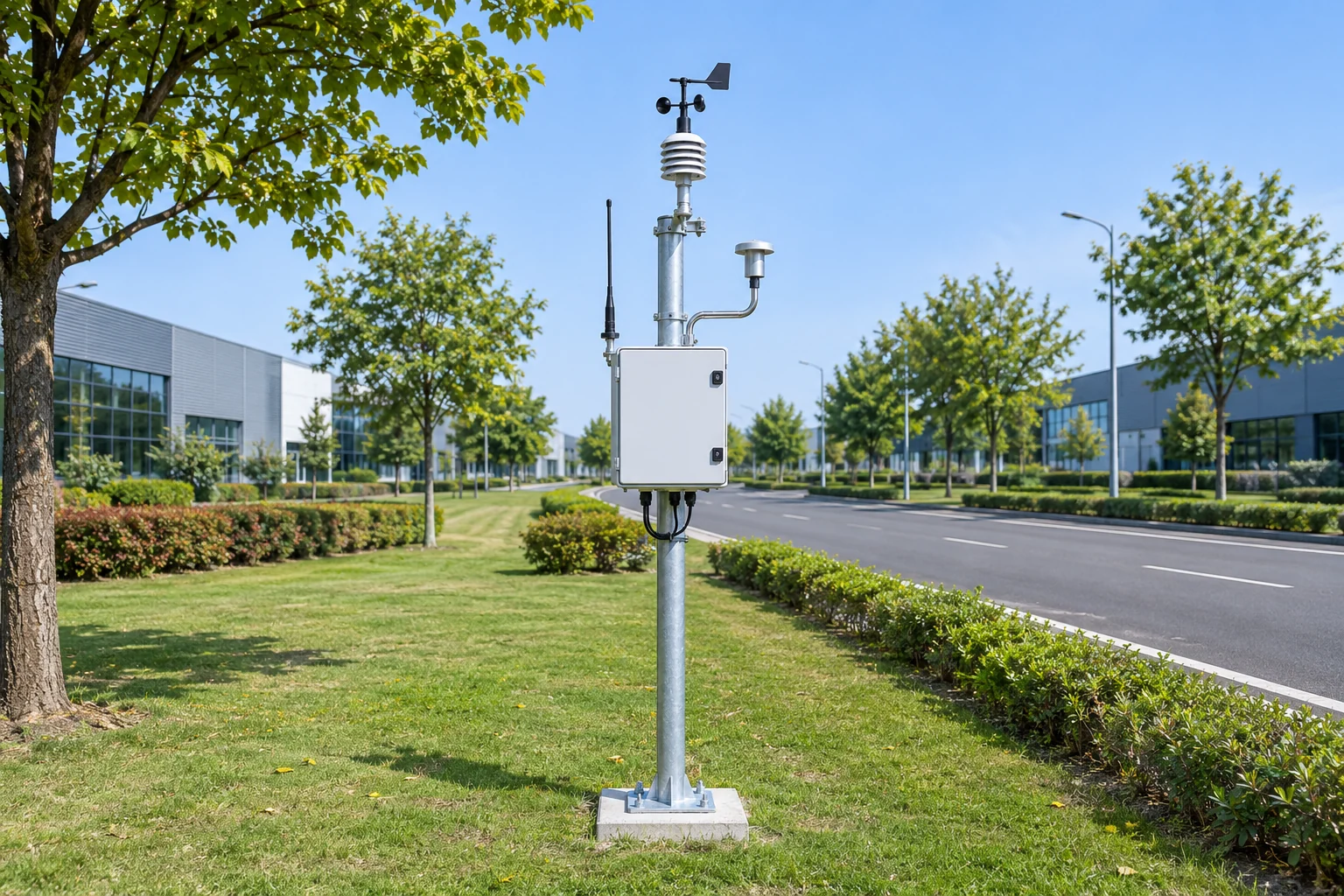
Rain sensors and rain gauges should be compared by the information required. Detecting the presence of rain, measuring accumulated precipitation and reporting intensity are different tasks. Define the quantity and time basis before assuming that a device labeled rain sensor can supply every result.
Name the required output
| Task | What to confirm |
|---|---|
| Presence detection | The documented wet or rain indication and relevant operating conditions |
| Accumulated precipitation | The measurement method, reported unit and collection period |
| Intensity | How the rate is calculated and which interval it represents |
| System integration | The actual output, time record and receiving arrangement |
| Service | Inspection, cleaning and verification requirements for the selected design |
A state change is not automatically a precipitation amount. Similarly, a reported rate needs a defined calculation period. Keep measured and calculated outputs separate so the application does not assign more information to a channel than the device supplies.
Review the exposure and installation
Describe the proposed site, surrounding structures and service access. Obtain the mounting instructions for the actual model and review how the location represents the observation objective. A convenient attachment point should not become a claim that the installation provides representative weather data.
Record the final position, orientation and supporting arrangement. If the location changes, keep that change in the observation history. Differences after relocation may involve exposure or installation rather than a change in the weather alone.
Keep maintenance requirements visible
Ask which inspections and cleaning tasks apply to the proposed measurement method. Identify who can access the equipment and how an abnormal condition is recognized. Do not assume that an instrument has no maintenance requirement because it uses an optical or electronic principle.
Where the project needs a comparison check, agree the method and acceptance criteria before installation. Avoid transferring a procedure from another design without checking applicability. Retain observed results and configuration with the site record.
Verify the receiving system
- Check channel identity, units and time basis.
- Confirm the behavior after restart or an interrupted record.
- Document any rate or accumulation calculation.
- Test the indication of missing or invalid data.
- Keep automatic operational actions separate unless they are specifically designed and tested.
Use the outdoor and weather sensor category with the farm measurement planning guide to prepare the measurement requirements. Confirm the specific device model, fitted options and applicable documents before ordering.
Frequently asked questions
Does rain detection measure rainfall amount?
Not necessarily. Confirm a documented amount measurement rather than assuming it from a presence indication.
Can all rain instruments use the same mounting and checking method?
Use the instructions and measurement method for the selected model.