
pH Electrode Storage: Keep Rinsing, Storage and Calibration Separate
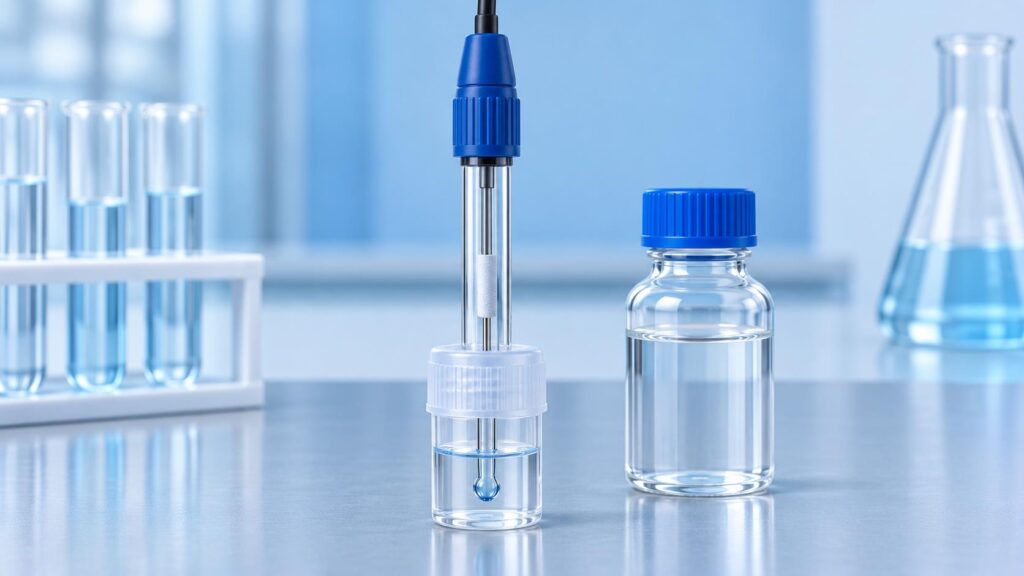
pH electrode storage should follow the exact electrode manufacturer's instructions. For many glass combination electrodes, keeping the sensing glass and reference junction appropriately hydrated is essential. A liquid used for rinsing is not automatically a storage medium. Identify the electrode construction and approved storage solution before placing it out of service.
Identify the electrode and storage duration
Record the model, reference construction and whether the device is refillable, gel-filled or part of a multiparameter instrument. Short-term and extended storage instructions can differ. A sealed cap and a partly filled calibration chamber may serve different instruments and purposes.
The pH sensor fundamentals guide explains the measurement context. Use the actual operating manual for storage details, rather than treating a general pH care recommendation as applicable to every design.
Use the approved wetting liquid
The storage liquid should support the electrode's required hydrated condition and reference system. Do not substitute a cleaning solution, process sample or arbitrary buffer merely because it is available. Verify the product identity and follow its handling and replacement instructions.
Hamilton's storage FAQ provides one manufacturer-specific example. Its permitted alternatives do not make the same formulation universal. Retain the original cap when the manual specifies it, and check that the required part of the tip remains protected and wetted.
Separate rinsing from storage
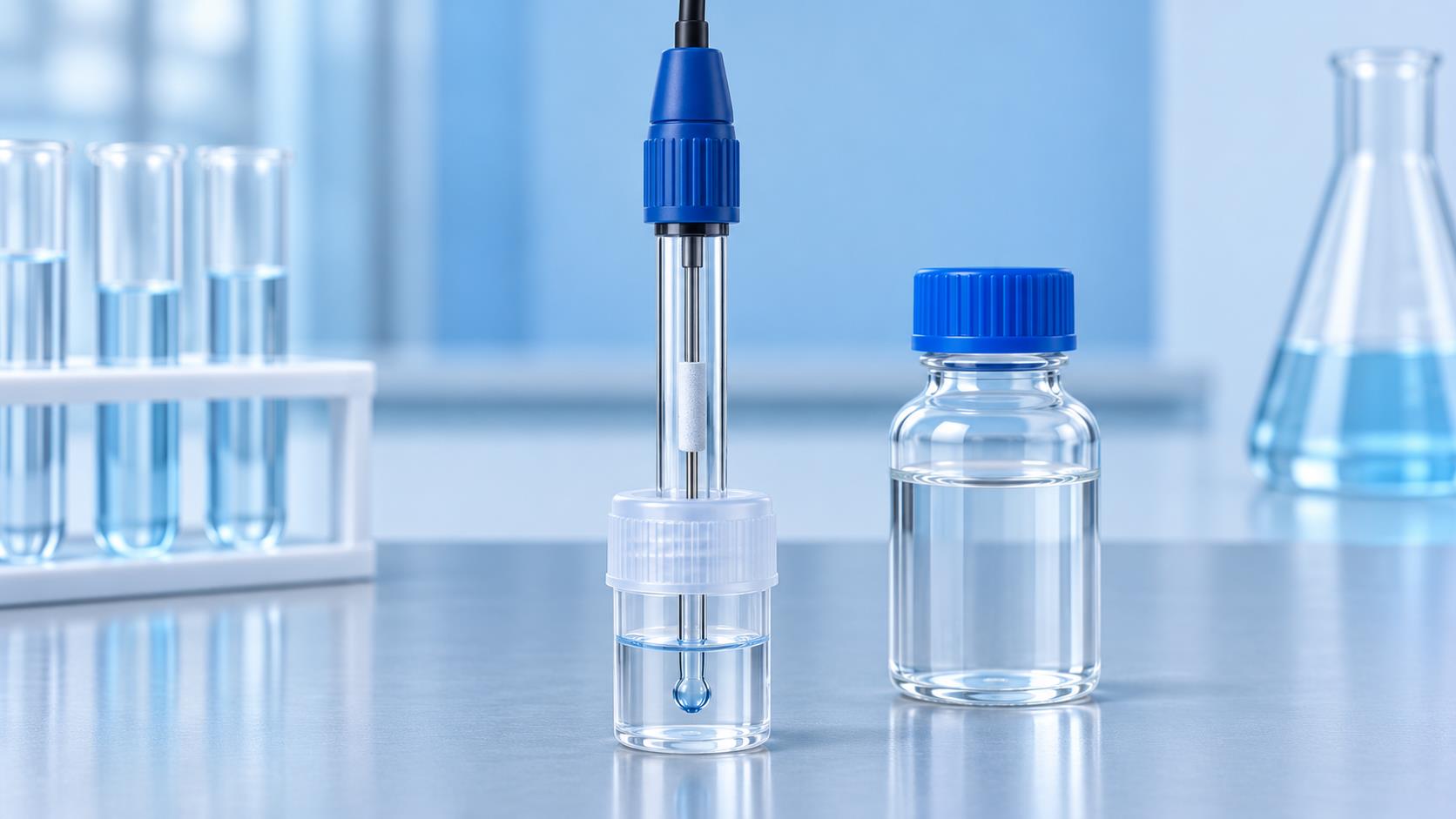
An approved rinse can remove carryover between samples, but prolonged immersion has a different purpose. For example, Vernier's pH sensor manual distinguishes short-term storage, longer storage and rinse-related troubleshooting for its glass electrode.
Do not assume distilled or deionized water is a suitable storage liquid because it is used for rinsing. Follow the model's instructions for cleaning, rinsing and subsequent storage as separate steps. Avoid touching or rubbing the fragile glass membrane.
Inspect the cap and tip
Look for evaporation, leakage, deposits, cracks and a damaged protective cap. Record a dry-storage event or abnormal appearance rather than simply refilling the cap and assuming normal performance. Keep cable connections dry and protected according to the instrument instructions.
Do not remove deposits or use chemicals without an approved procedure. The correct cleaning method depends on contamination and construction. A cracked bulb, blocked junction and dehydrated membrane require different evaluation; none can be diagnosed reliably from a single displayed pH value.
Recondition only as documented
A dried electrode may require rehydration, inspection and verification before reuse. Recovery time and allowed treatment vary by model and condition. Hamilton's storage and regeneration article explains the importance of hydration and illustrates why response can deteriorate.
Do not copy aggressive regeneration chemistry from another electrode's guide. Consult the supplier when the history is uncertain or performance fails to recover. Storage care can preserve performance but does not establish a guaranteed service life.
Verify before returning to measurement
After approved preparation, check response and calibration with suitable fresh buffers under the model's procedure. Confirm temperature handling and acceptance criteria. The pH calibration checklist helps keep those conditions explicit.
Record storage medium, dates, inspection, treatment and the return-to-service result. A probe that passes one point may still need the full required verification. For field samples, the soil pH methods guide also helps separate electrode behavior from differences in sample preparation.
Frequently asked questions
Can rinse water be used for storage? Not automatically. Use the storage medium approved for the exact electrode and duration.
Does rewetting prove a dried electrode is ready? No. Complete the documented reconditioning and performance checks before relying on it.
Does proper storage remove calibration needs? No. Storage, cleaning, calibration and verification have separate purposes and procedures.