
Distilled vs Purified Water: What Conductivity Can Tell You
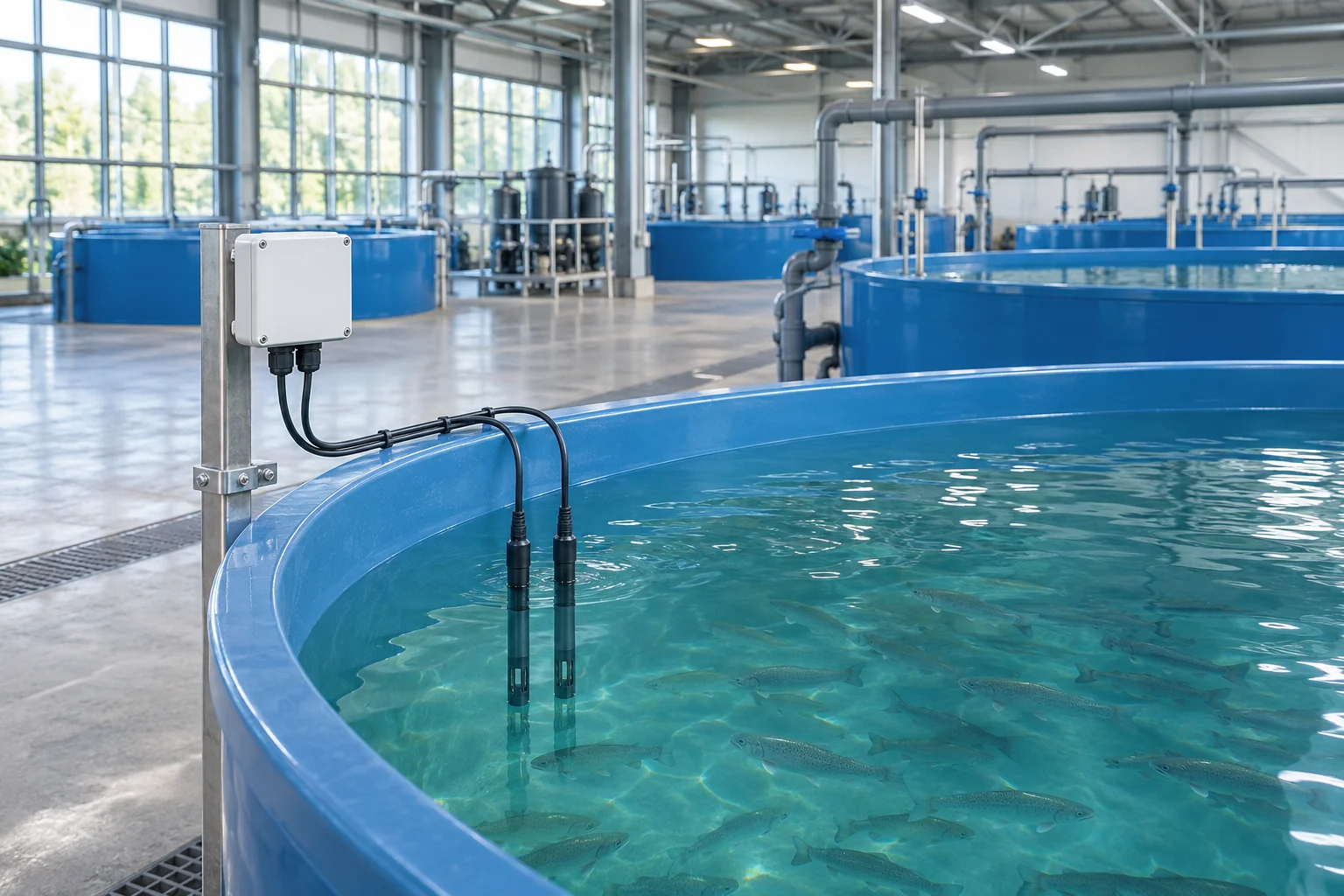
The difference between purified and distilled water begins with the preparation description. Distillation is one purification method, while purified water can describe water prepared using different processes. For measurement work, neither label is a complete specification of composition, reference suitability or intended use.
Separate a process name from an acceptance requirement
Ask what preparation method was used and what documented acceptance criteria apply. A bottle label should not replace the specification required by a laboratory procedure, instrument reference check or industrial process. Use the requirements of the actual task rather than choosing water solely from a familiar name.
| Comparison item | What to request |
|---|---|
| Preparation | The process or processes used and relevant product information |
| Intended use | The method or process requirement the water must meet |
| Conductivity | The reported unit, temperature basis and test conditions |
| Handling | Container, storage and sampling arrangements |
| Reference role | Evidence that the material is suitable for the specific verification method |
Interpret conductivity as its own measurement
Conductivity responds to the electrical behavior associated with dissolved ions and the measurement conditions. It should not be presented as a complete identification of everything in the sample. A low reading does not, by itself, establish a specific chemical composition or every quality requirement.
When comparing samples, keep the quantity, unit and temperature basis consistent. Record any compensation already applied. A comparison made under unclear conditions should be investigated before it is treated as evidence that one preparation method meets the application requirement.
Keep the sample history with the result
Record the source, container, collection time and handling used for the comparison. Ask the responsible laboratory or process specialist which handling procedure applies. Water used for one task should not automatically become the calibration reference for another instrument.
For a supplier comparison, request results against the same specification and method. Preserve the original reports and identify any missing information. This is more useful than assigning a universal quality ranking to the words distilled and purified.
Define the monitoring requirement separately
- Identify the intended industrial or measurement use.
- Specify the relevant parameters and reference methods.
- Document conductivity units and temperature treatment.
- Confirm the selected probe and installation suitability.
- Keep any broader quality or compliance assessment separate from a single sensor reading.
Use the conductivity measurement guide with the water quality sensor information to prepare the measurement requirements. Confirm the specific device model, fitted options and applicable documents before ordering.
Frequently asked questions
Are purified and distilled identical specifications?
No. Obtain the preparation and acceptance information needed for the intended task.
Can conductivity alone establish every aspect of water quality?
No. Define the relevant quantities and methods separately; this guide does not make a drinking-water suitability recommendation.