
CO2 Sensor Calibration: When Automatic Baseline Correction Fits
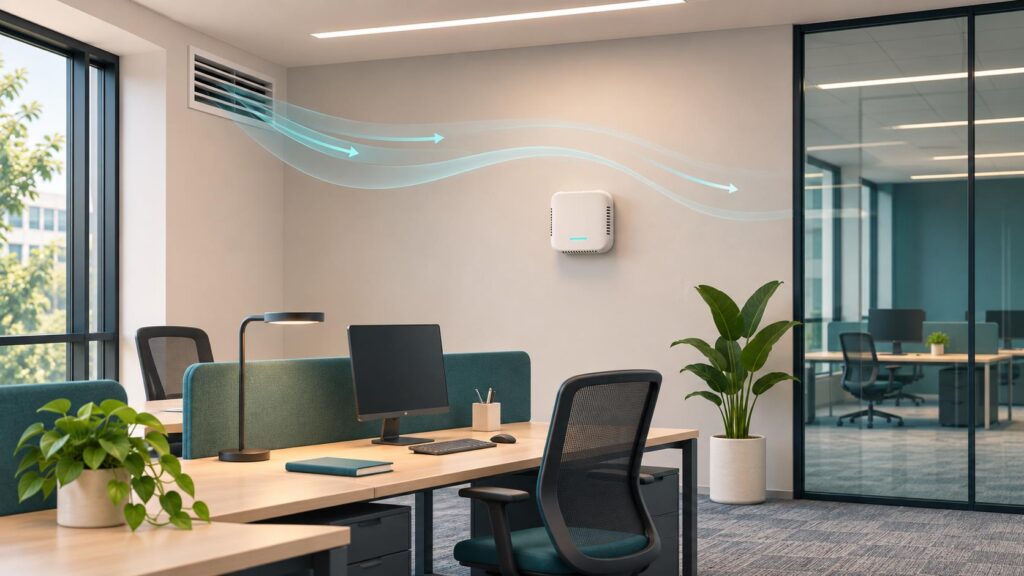
CO2 sensor calibration should match both the instrument and the way the space is used. Some sensors use automatic baseline correction to manage long-term drift; others use different reference or adjustment methods. Before relying on an automatic routine, confirm its documented assumptions and whether the installed sensor actually encounters the conditions the algorithm expects.
This guide is for building-monitoring integrators, facility managers and purchasing teams. It focuses on verification and baseline logic. It does not assume that a particular ODSENSE model includes automatic correction or that one manufacturer's calibration routine applies to another instrument.
Distinguish a reference comparison from baseline correction
A reference comparison evaluates the sensor against a known or suitably characterized measurement under controlled conditions. Adjustment changes the sensor response. Automatic baseline correction instead uses a documented algorithm and assumptions about the exposure history to compensate for drift. These are related activities, but they are not interchangeable evidence.
Manufacturers use different names and implementations, including ABC and ASC. Read the exact manual for the model and firmware. Record what is enabled, how the routine operates and what conditions it requires. Our NDIR CO2 measurement guide explains the sensing principle separately from these calibration choices.
Check the assumptions behind the automatic routine
Senseair describes an algorithm that tracks low readings over an interval and compares them with an expected background value. Sensirion's CO2 FAQ describes model-specific automatic self-calibration conditions. Both sources show why the exposure pattern matters; neither should be interpreted as a universal instruction for all CO2 sensors.
Ask the supplier whether the proposed device needs periodic exposure to a background condition, how that condition is defined and whether the user can configure the routine. Do not copy a fixed baseline value from an unrelated product or assume it represents every outdoor location. Obtain written guidance for the intended application and record unresolved limitations before ordering.
Review occupancy and ventilation over a complete cycle
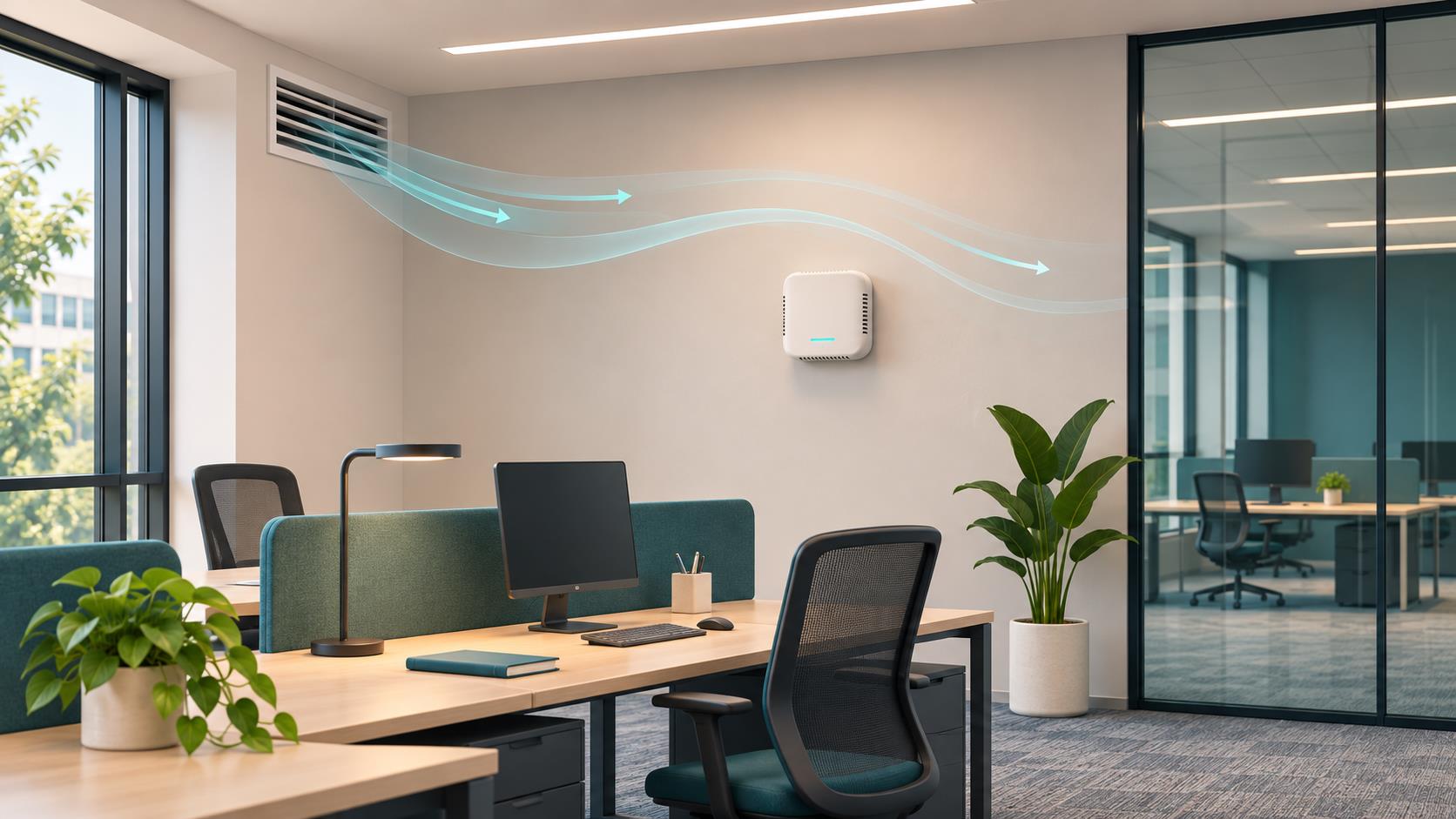
Describe when people are present, how ventilation operates and what happens overnight, on weekends and during shutdowns. A continuously occupied space may not provide the same low-concentration periods as an office that empties regularly. Greenhouses or other spaces with deliberate CO2 addition also require a separate suitability assessment.
Review actual trend data where available instead of inferring exposure from the building's opening hours. A sensor near a local source or in an isolated corner may experience a pattern different from the room as a whole. If the documented assumptions do not fit, agree a suitable alternative verification or calibration plan with the manufacturer rather than simply waiting longer.
Inspect the installation before adjusting the reading
Check placement, airflow around the housing, nearby occupants and local heat or ventilation sources. Vaisala's installation guidance explains how the mounting environment can affect the reading even when the instrument itself performs correctly. A comparison made next to a person's breathing zone can be misleading.
Use a suitable comparison location and allow stabilization under the supplier's procedure. Keep notes about occupancy and ventilation during the check. Our CO2 sensor placement article provides additional installation questions to resolve before changing calibration settings.
Define the reference and acceptance procedure
Specify who performs the check, which reference instrument or gas method is used, what conditions apply and what result is acceptable. A handheld display is not automatically a trustworthy reference merely because it shows more digits. Confirm its calibration status and suitability for the comparison.
Where adjustment is necessary, follow the exact model procedure, including stabilization, environmental compensation and recording requirements. Preserve the before-and-after results. Do not treat a successful adjustment as proof that the installation meets every indoor-air-quality or safety requirement; the measurement remains one input to a broader assessment.
Put calibration questions into the purchase brief
Request the calibration approach, automatic-correction conditions, configuration access, recommended verification procedure and available documentation. Include the occupancy cycle and any expected elevated background. Compare the proposed configuration against these requirements through the indoor air quality sensor range.
Keep the selected settings with the commissioning record and review them after a material change in space use or ventilation. That record is more useful for maintenance than an unsupported claim that every CO2 sensor is permanently maintenance-free.
Frequently asked questions
Does automatic correction eliminate every need for verification?
No. The answer depends on the device, application and quality requirements. Confirm the manufacturer's conditions and the project's verification responsibilities.
Should automatic baseline correction be disabled in every occupied building?
No. Suitability depends on the algorithm and actual exposure pattern. Use the documented conditions for the exact model, not a blanket rule based only on the building category.
Sources: Senseair ABC algorithm, Sensirion CO2 sensor FAQ, Vaisala sensor installation guidance.