
Amperometric Dissolved Oxygen Sensors: Setup and Service Questions
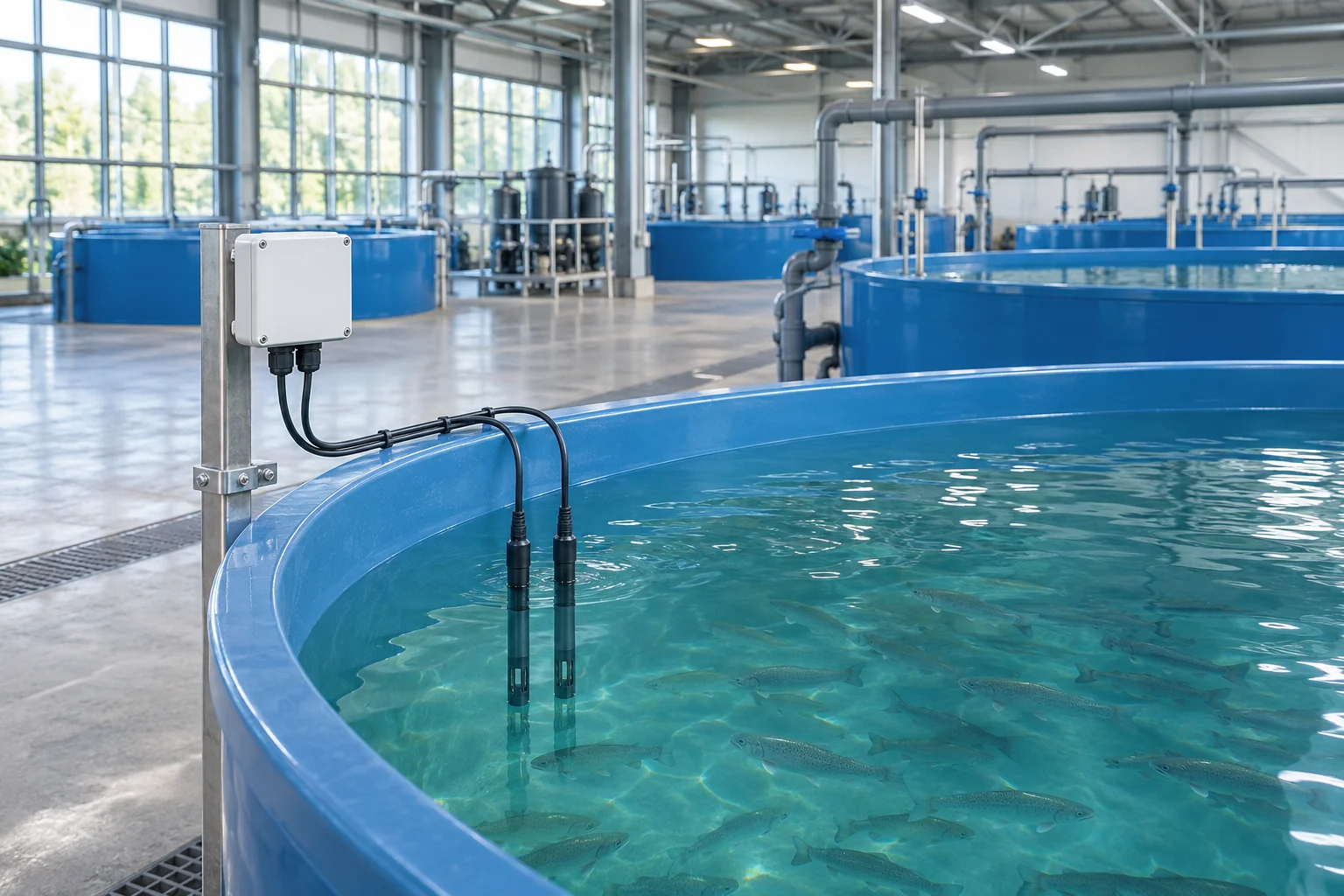
An amperometric dissolved oxygen sensor uses an electrical-current response in its measurement method. For selection, ask the supplier to name the electrochemical design and provide its own setup and service instructions. A general label does not establish that all such sensors use identical polarization, flow or maintenance arrangements.
Identify the actual electrochemical design
Distinguish the proposed design from an optical dissolved oxygen instrument. Polarographic sensors use a documented polarization arrangement; other electrochemical designs can have different setup requirements. Confirm the actual model rather than assigning one generic procedure to every sensor called amperometric.
Hamilton polarographic measurement principles
| Selection item | Question to confirm |
|---|---|
| Principle | The specific electrochemical design supplied |
| Setup | Required preparation, polarization or stabilization procedure |
| Installation | The water and flow conditions relevant to that model |
| Consumables | Approved membrane, electrolyte or other service items |
| Interpretation | Reported quantity, units and compensation inputs |
Treat service as part of the purchase
Obtain the model-specific replacement and care procedures. Ask which consumables are required, who supplies them and how the instrument is checked after service. Do not transfer an optical-cap procedure to an electrochemical assembly or assume that every membrane uses the same maintenance method.
Include access, removal and replacement in the installation plan. Record the configuration and service history with the measuring point. A change following membrane or electrolyte work should be assessed with that history rather than silently combined with an unchanged record.
Confirm the measuring conditions and data
Describe the water, expected conditions and intended use of the result. Ask which compensation inputs are needed and where they come from. A temperature channel does not automatically provide every correction required by the application.
For the receiving system, verify the reported quantity, unit and scale against the actual documentation. Keep concentration and saturation outputs distinct. Test how missing measurements and documented status information are represented before the system depends on the data.
Compare the alternative principles fairly
- Use the same application conditions for every proposed instrument.
- Compare documented setup and service obligations.
- Request applicable performance and reference-check evidence.
- Keep the installed arrangement in the acceptance record.
- Confirm which principle the ordered ODSENSE configuration actually uses.
Use the aquaculture dissolved oxygen selection guide with the ODSENSE optical dissolved oxygen sensor information to prepare the measurement requirements. Confirm the specific device model, fitted options and applicable documents before ordering.
Frequently asked questions
Is every electrochemical DO sensor configured identically?
No. Use the instructions for the specific design and assembly.
Does the ODSENSE optical product become amperometric because both measure DO?
No. Measurement quantity and sensing principle are separate specifications.