Online pH monitoring
Technical specifications
| Model | Description |
|---|---|
| YF500-PH(R) | pH Water Quality Sensor with RS485 Modbus RTU |
| YF500-PH(L) | pH Water Quality Sensor with LoRaWAN |
| YF500-PH(W) | pH Water Quality Sensor with WiFi |
| YF500-PH(G) | pH Water Quality Sensor with 4G |
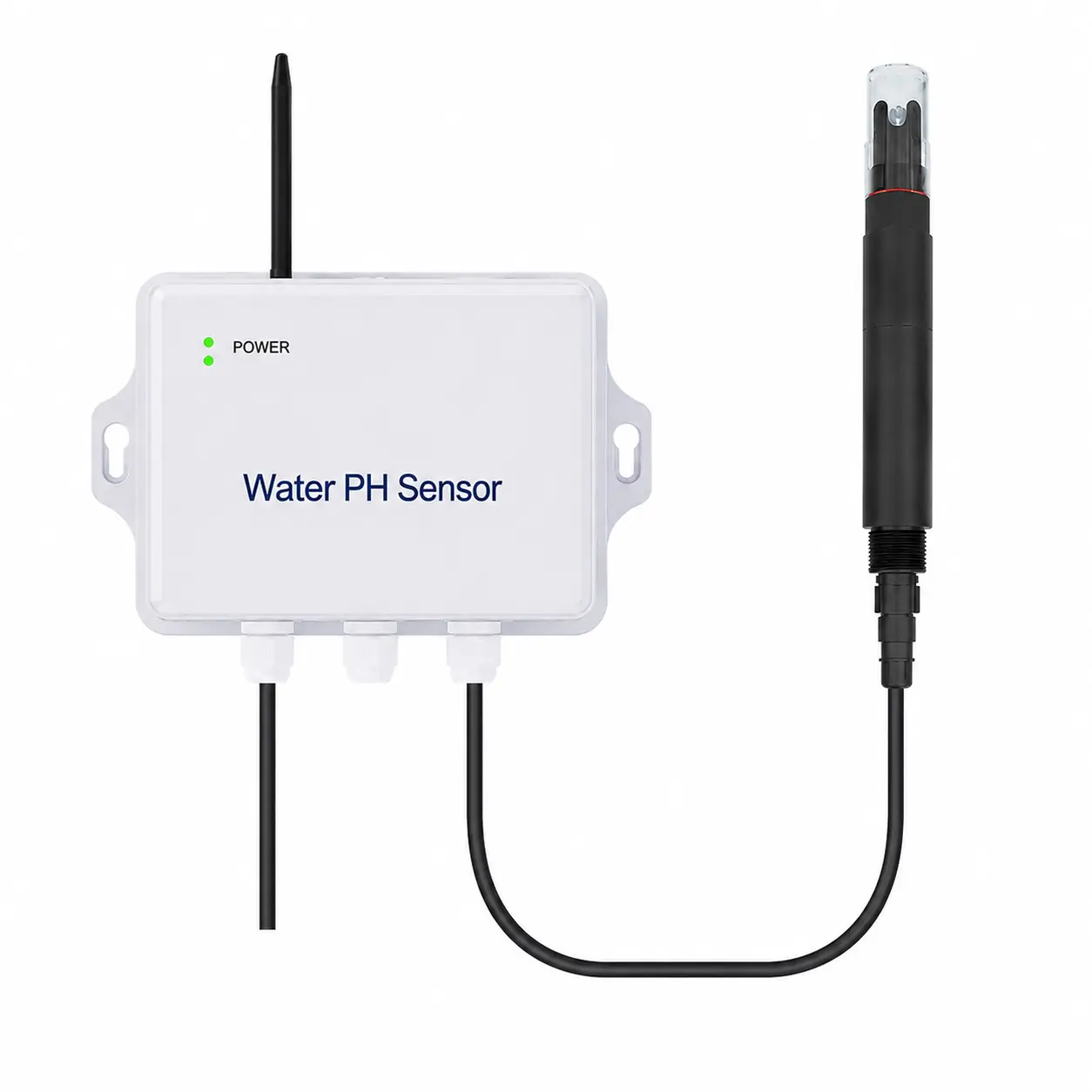
YF500-PH online pH monitoring
The YF500-PH measures pH and temperature for water monitoring applications. Its listed pH range is 0–14.00 with 0.01 pH resolution and ±0.15 pH accuracy. RS485 Modbus RTU is the listed standard output; LoRaWAN, WiFi and 4G are available as communication options. Choose the version and installation arrangement for the water being monitored.
Understand the water measurement
pH indicates how acidic or alkaline water is. Measurements can change as source water, treatment, dosing or biological activity changes. A continuous measurement provides a way to observe those changes over time, but the reading represents conditions at the probe location. Consider flow, mixing, temperature and the presence of suspended material when interpreting the result.
The instrument also measures temperature and lists automatic and manual temperature compensation. Temperature compensation supports interpretation of the electrode response; it does not make the pH of a water sample independent of temperature. Compare measurements under known conditions and follow the calibration procedure for the actual electrode.
Aquaculture, agriculture and treatment applications
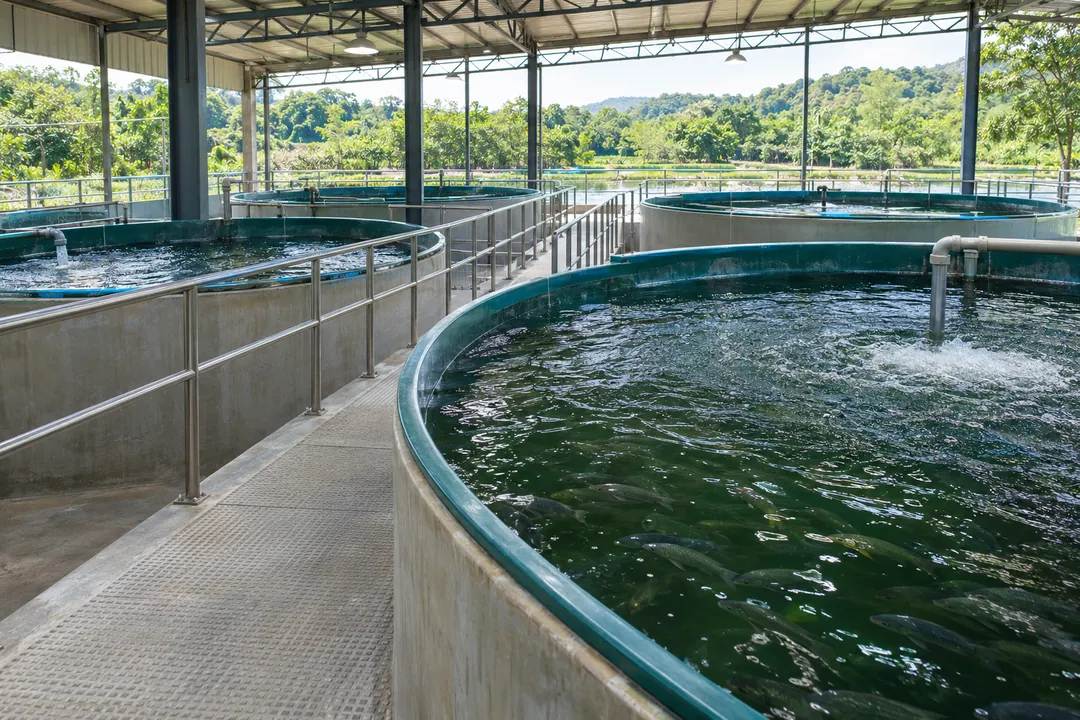
In aquaculture, select representative points in the pond, tank or circulation system and review pH alongside other water-quality measurements. In hydroponics, monitor the nutrient solution where it is well mixed and accessible. For treatment and industrial water systems, choose the point according to the purpose of the measurement, such as observing process changes or checking a treatment stage.
The composition of water affects electrode maintenance. Fouling, coatings and deposits can interfere with contact between the sensing surface and the sample. Identify the medium and expected cleaning needs before selecting the probe and mounting arrangement.
Installation and communication
Keep the sensor in contact with a representative sample and avoid locations where trapped air, stagnant water or mechanical damage could affect the measurement. Provide access for removal, cleaning and calibration. Review immersion, cable routing and mounting requirements using the instructions supplied with the selected equipment.
The YF500-PH(R) is listed with RS485 Modbus RTU. The L, W and G model options are listed with LoRaWAN, WiFi and 4G respectively. These are different communication configurations, so check the ordering code, network and receiving system rather than assuming every interface is included in one device.
Calibration and maintenance
Establish a calibration schedule suited to the application and follow the electrode instructions. Use appropriate pH buffer solutions and keep a record of calibration dates and results. Inspect the probe and cable routinely, clean the sensing surface using the approved method, and investigate readings that change unexpectedly or respond slowly.
For a quotation, share the water type, monitoring location, required cable length and communication interface. Explore the water quality sensor range, the YF500-DO dissolved oxygen sensor and the aquaculture monitoring solution for related measurements.
Selection and integration
Industry applications
- Aquaculture
- Water treatment
- Process industries