
Atmospheric Pressure Sensors: Station Pressure and Reporting Basis
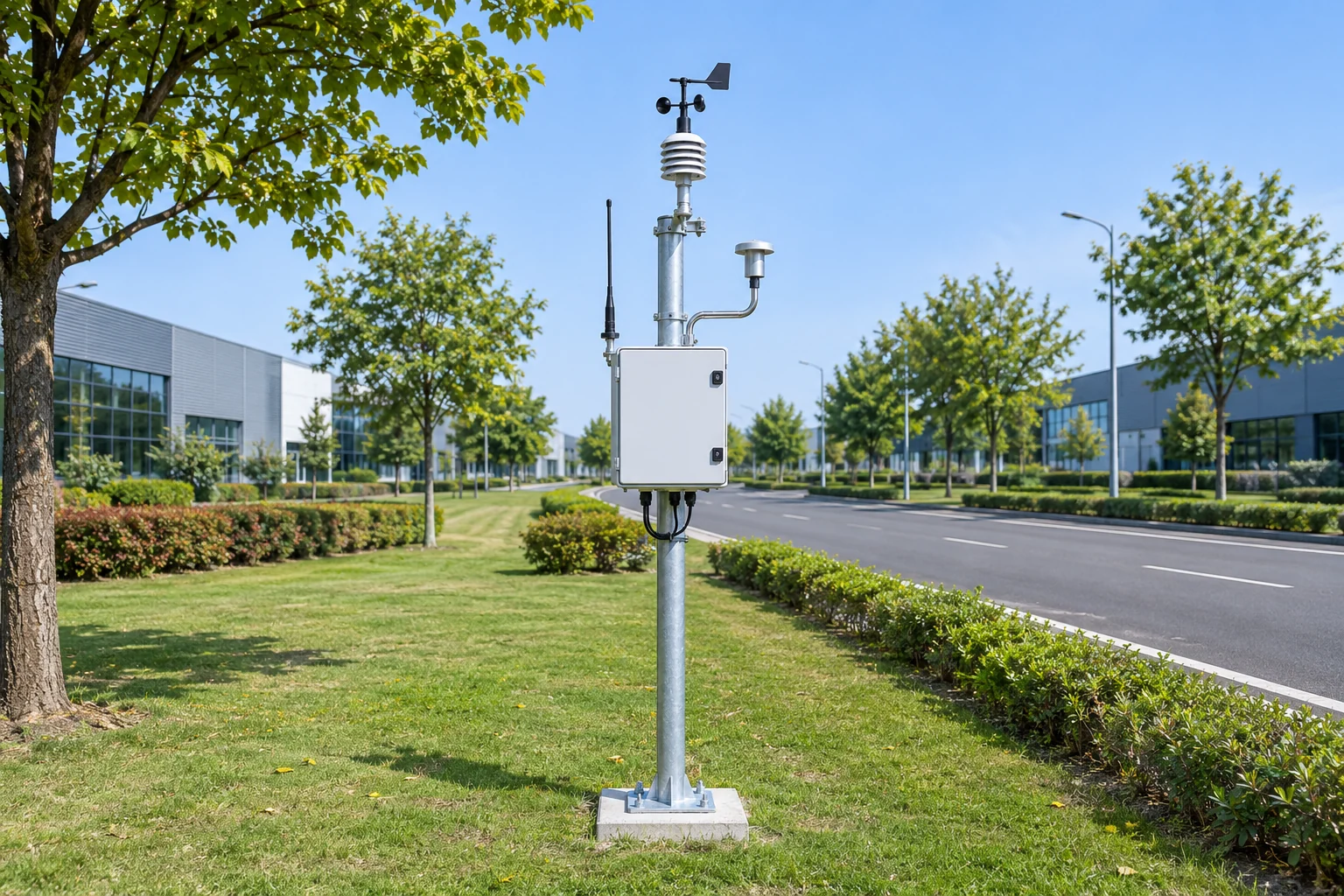
Atmospheric pressure readings should be compared only after their reporting basis is known. A pressure measured at a station and a value adjusted for sea-level reporting can differ without either instrument being faulty. Keep the location, units and processing method with the result.
Separate station pressure from an adjusted value
Station pressure describes the pressure at the observing location. Sea-level pressure is a derived reporting quantity. Ask what the instrument measures directly and what the software calculates, rather than assuming that every value labeled barometric pressure uses the same basis.
National Weather Service pressure definitions
| Record field | Question it answers |
|---|---|
| Pressure quantity | Is this measured station pressure or a derived reporting value? |
| Location and elevation | Which observing point does the record describe? |
| Units | Are compared values expressed consistently? |
| Calculation | Which documented method and inputs produce an adjusted value? |
| Configuration | Which settings and software revision were used? |
Keep comparison conditions visible
Before comparing with a weather service or nearby station, confirm the reference and observation time of both records. Do not change a sensor calibration simply to force agreement with a value that describes another reporting basis. Investigate the quantity and processing before assigning a difference to instrument error.
If software uses elevation or temperature information in a calculation, document where those inputs come from and how they are maintained. Retain the original measurement so a change in the derived result can be traced to its cause.
Specify the actual installation
Describe the mounting environment, enclosure and relevant exposure to the supplier. Request the approved installation arrangement and operating limits for the proposed model. A pressure channel on a multi-parameter device should not be assigned outdoor or other unsupported duties from its channel name alone.
Record the location and configuration at commissioning. If the measurement point moves, review any site-specific settings and derived quantities. Keep the change in the data history so readings from two arrangements are not treated as an uninterrupted identical series.
Check the complete reporting path
- Confirm the measured and calculated output fields.
- Verify units and timestamps at the receiving system.
- Document the reference instrument or comparison source.
- Test missing-input behavior in any calculation.
- Retain the configuration used for acceptance.
Use the outdoor and weather sensor category with the guide to reporting humidity-related measurements to prepare the measurement requirements. Confirm the specific device model, fitted options and applicable documents before ordering.
Frequently asked questions
Must nearby stations report the same pressure value?
First compare location, time, units and reporting basis. A difference alone does not establish a calibration error.
Is sea-level pressure always a directly measured output?
Confirm whether it is calculated and which inputs and method are used.