Livestock ventilation monitoring
Technical specifications
| Parameter | Range | Accuracy |
|---|---|---|
| CO₂ | 0~10000ppm | High Precision Monitoring |
| NH₃ | 0~100ppm | High Precision Monitoring |
| Temperature | -45~125℃ | ±0.5℃ |
| Humidity | 0~99%RH | ±3%RH |
| Parameter | Specification |
|---|---|
| Power Supply | DC 10~30V |
| Protection Rating | IP67 Waterproof & Dustproof |
| Communication | RS485 Modbus / LoRaWAN / WiFi / BLE / 4G |
| Analog Output | 4-20mA / 0-5V |
| Housing Material | Flame-retardant ABS |
| Application | Pig Farm / Poultry House / Livestock Barn |
| Model | Communication | Application |
|---|---|---|
| YF500-CO2NH3(R) | RS485 | Farm monitoring system integration |
| YF500-CO2NH3(L) | LoRaWAN | Large-scale wireless livestock monitoring |
| YF500-CO2NH3(W) | WiFi | Local smart farm network |
| YF500-CO2NH3(4G) | 4G | Remote farm monitoring |
| YF500-CO2NH3(B) | Bluetooth | Configuration and short-distance communication |
| YF500-CO2NH3(20) | 4-20mA | Automatic ventilation control |
| YF500-CO2NH3(V5) | 0-5V | PLC and analog control systems |
Combined CO₂ and ammonia monitoring for animal housing
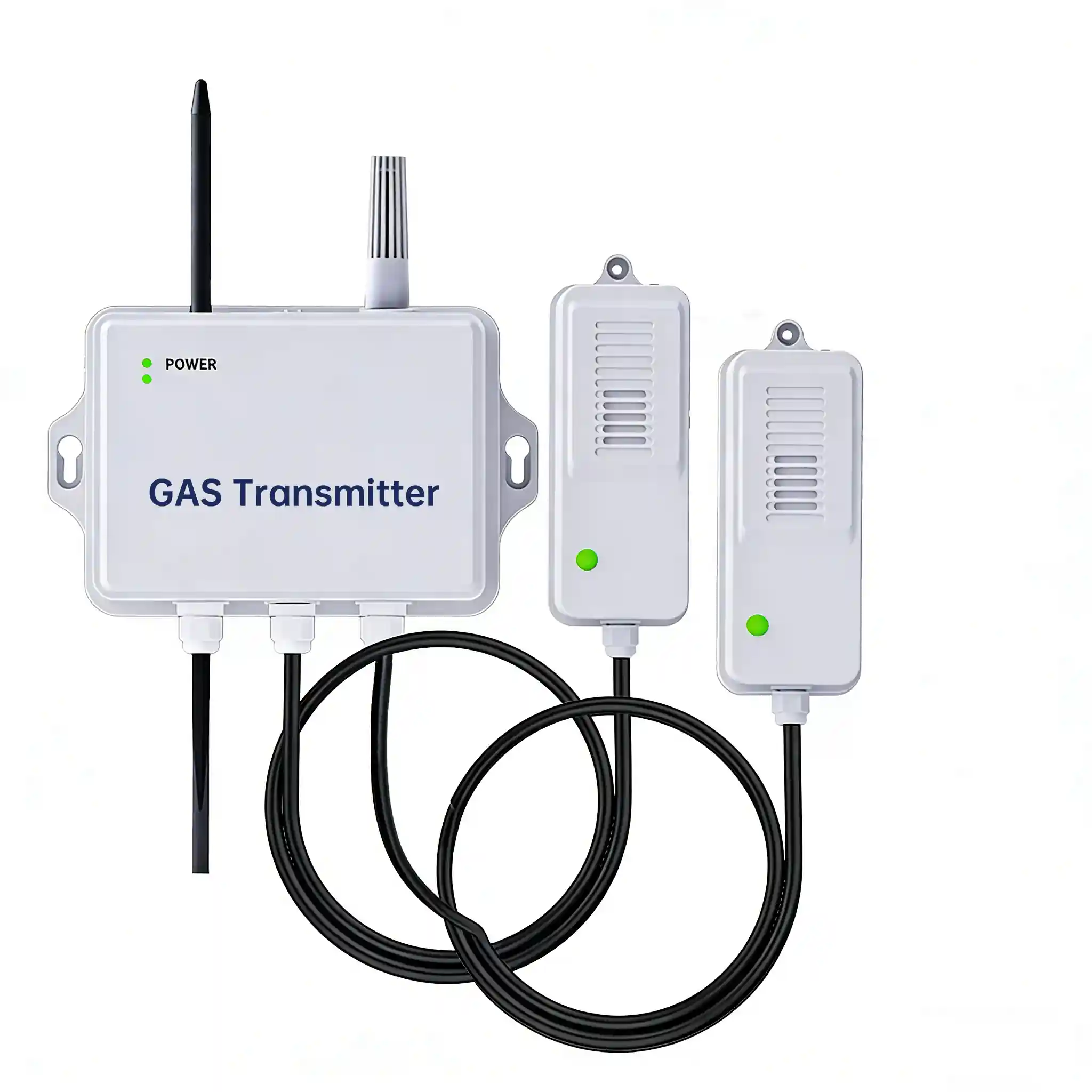
The YF500-CO2/NH3 transmitter combines measurements of carbon dioxide, ammonia, temperature and relative humidity for livestock environmental monitoring. Reviewing these parameters together helps project teams see changes in the air around animals as ventilation and building operation vary. The listed CO₂ range is 0–10,000 ppm and the listed NH₃ range is 0–100 ppm; select the communication version for the receiving system.
Monitor conditions across the building
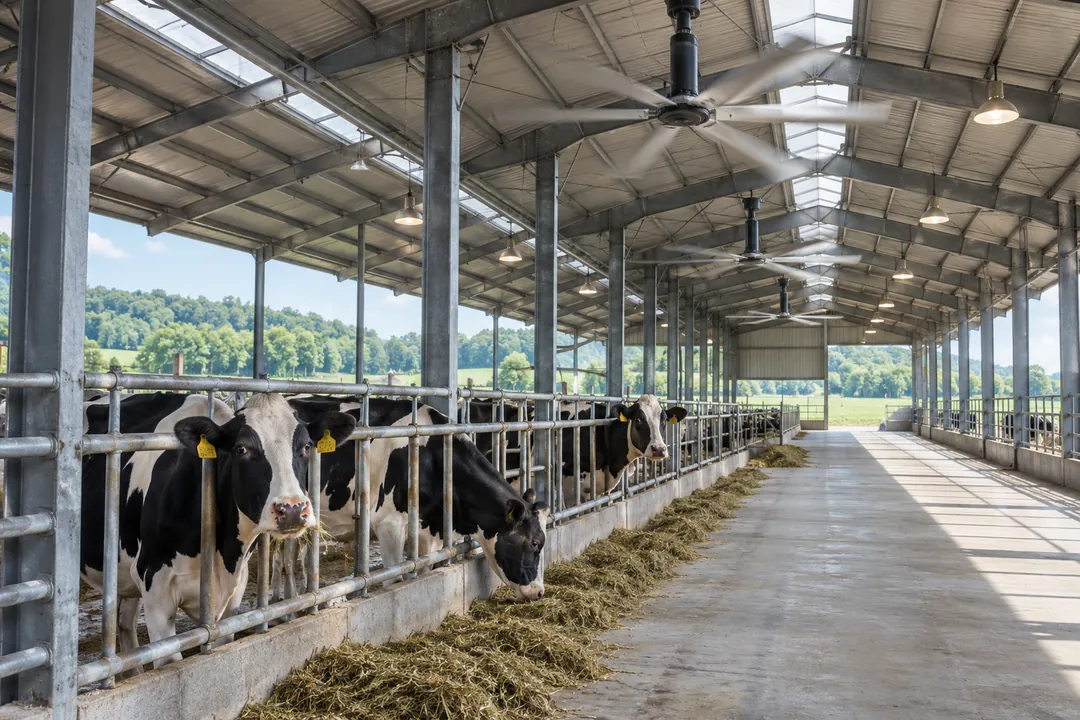
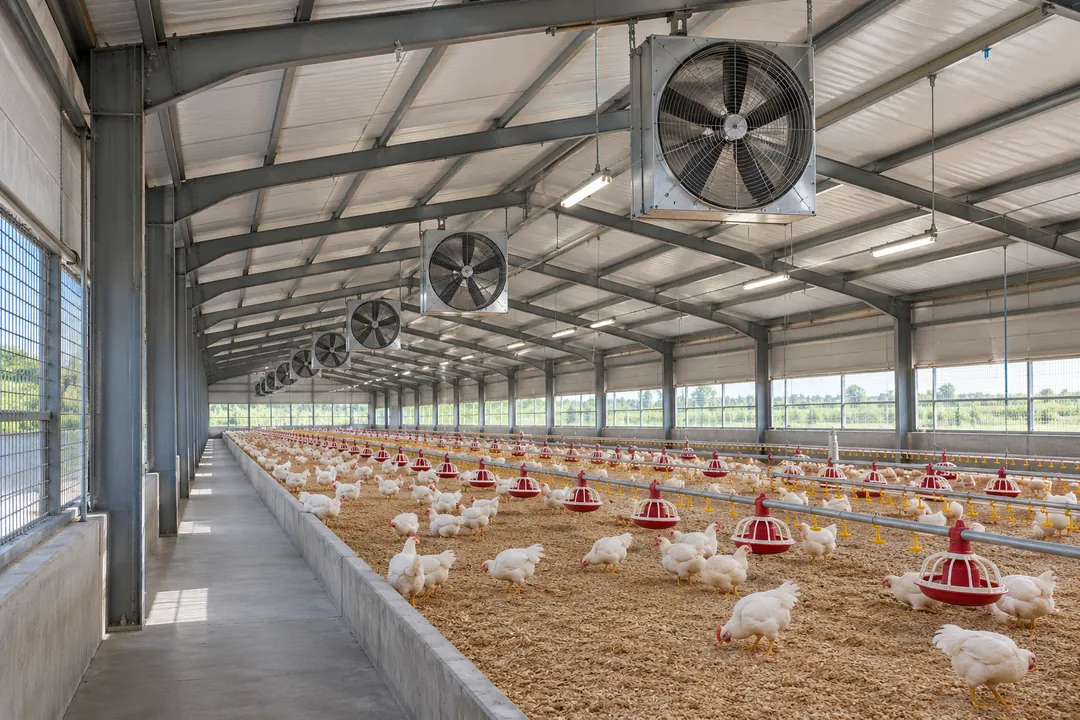
Poultry houses, pig barns and cattle facilities can have different airflow patterns, animal densities and moisture conditions. Place monitoring points where they represent the areas of interest rather than relying on a single reading to describe every part of a building. Consider animal areas, inlets, exhaust paths and access for maintenance when developing the measurement plan.
Temperature and relative humidity provide context for interpreting the gas readings. Compare trends with the ventilation schedule, outdoor conditions and normal activity at the site. The readings support observation of the environment; operating decisions should follow the farm’s own husbandry and safety procedures.
Plan the gas measurement points
Identify the gases and concentration ranges required at each location before choosing equipment. Ammonia and carbon dioxide have different sources and can move through a building differently. Review the installation instructions and the site’s ventilation design when deciding the mounting location. Avoid placing the sensing area where it may be obstructed by equipment, dust buildup or cleaning activities.
Choose a communication configuration
The listed ordering options include RS485, LoRaWAN, WiFi, 4G, Bluetooth, 4–20 mA and 0–5 V versions. These are alternatives associated with model codes and should not be assumed to be present together. Check the power supply, network coverage, protocol and input requirements of the receiving controller or gateway. Confirm the exact configuration and accessories when placing an order.
Installation and ongoing maintenance
Provide a mounting point that allows access to the transmitter and sensing element. Protect the installation from accidental impact and follow the product instructions for cleaning, wiring and commissioning. Record the location and communication settings so that each reading can be associated with the correct part of the building.
Plan periodic inspection and calibration according to the installed configuration and site conditions. Where readings change unexpectedly, check the sensor and its surroundings as well as the ventilation system. Use a suitable reference procedure before making decisions based on a single measurement.
Build the measurement plan
When requesting a quotation, share the type and number of buildings, target parameters, number of monitoring points, available power and preferred connection. For complementary measurements, explore the smart agriculture sensor range and livestock monitoring application.
Selection and integration
Industry applications
- Livestock farming
- Poultry farming