
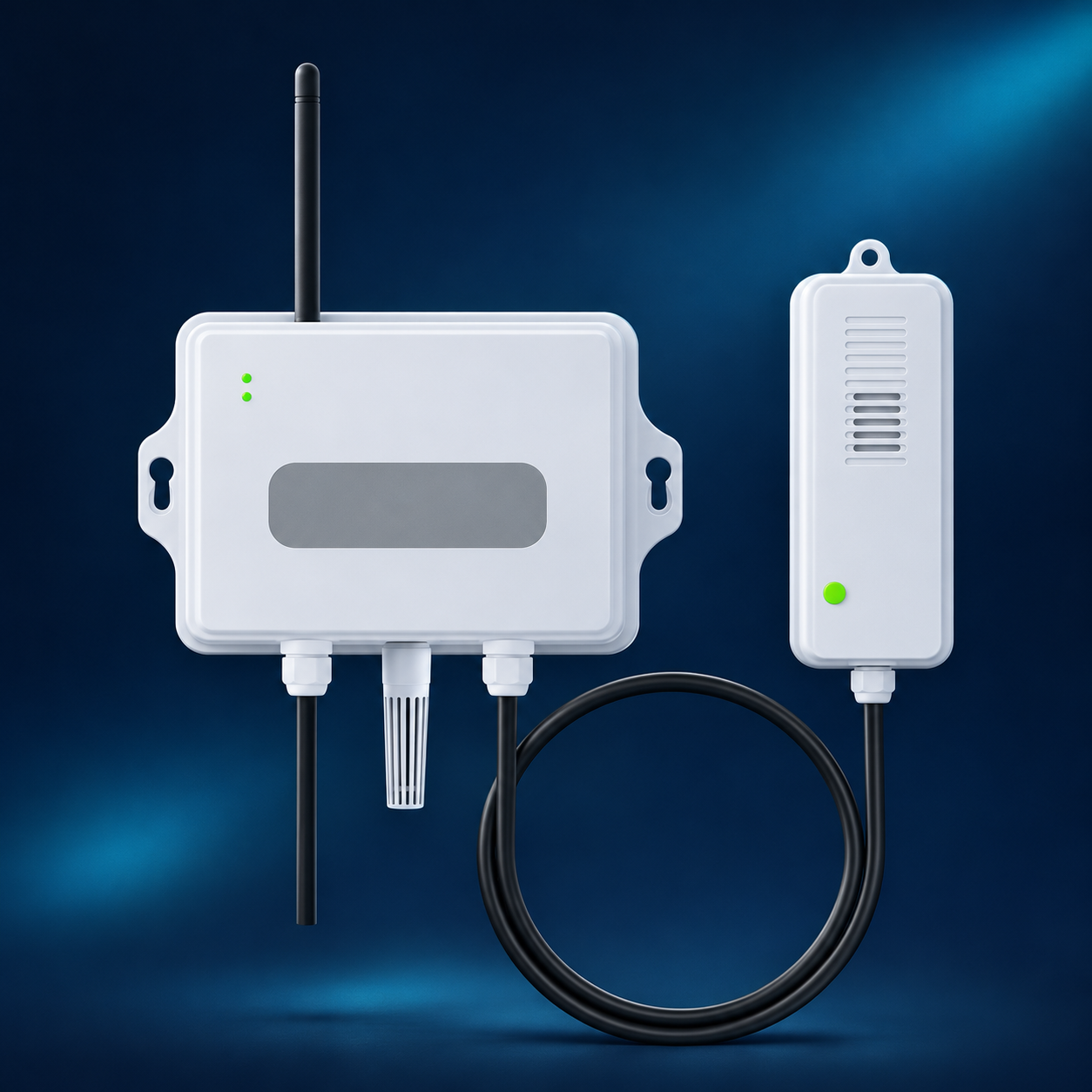
The YF500-CH4 measures methane concentration for integration into industrial monitoring systems.
Methane gas monitoring
Plan methane measurement around likely sources, ventilation and the applicable safety requirements. Confirm the selected measurement range and output with the system designer.
Technical specifications
| Parameter | Specification |
|---|---|
| Gas Type | Methane (CH₄) |
| Measurement Range | 0~100%LEL |
| Resolution | 1%LEL |
| Accuracy | ±5%FS |
| Response Time | ≤15s |
| Repeatability | ≤2% |
| Warm-up Time | ≥5min |
| Zero Drift | ±2%FS |
| Signal Stability | ≤7% of reading per year |
| Service Life | 3 years (in air) |
| Parameter | Specification |
|---|---|
| Operating Voltage | DC10~30V (24V Standard) |
| Power Consumption | 0.18W |
| Output Method | RS485 Modbus RTU |
| Optional Output | 4-20mA / 0-5V / LoRaWAN / WiFi / BLE / 4G |
| Protection Rating | IP65 |
| Housing Material | Flame-retardant ABS |
| Installation | Pipe Mount / Wall Mount |
| Dimensions | 124×94×45mm (Main Unit) 118×50×34mm (Sensor) |
| Operating Environment | -20℃~60℃ / 0~99%RH (Non-condensing) |
| Model | Communication | Application |
|---|---|---|
| YF500-CH4(R) | RS485 | Standard Industrial Monitoring |
| YF500-CH4(L) | LoRaWAN | Wireless Remote Monitoring |
| YF500-CH4(W) | WiFi | Cloud Platform Integration |
| YF500-CH4(B) | Bluetooth | Local Configuration |
| YF500-CH4(20) | 4-20mA | Industrial Control System |
| YF500-CH4(V5) | 0-5V | PLC Analog Integration |
Monitoring methane in industrial environments
The YF500-CH4 methane gas sensor measures methane concentration for environmental monitoring and integration with a compatible receiving system. The listed measurement range is 0–100% LEL, with a resolution of 1% LEL. Select the configuration and measurement point according to the monitoring objective, site conditions and requirements of the responsible system designer.
Methane monitoring projects may involve gas-handling equipment, utility areas or other locations where methane can be present. A useful monitoring plan identifies likely release points, ventilation, potential accumulation areas and the people responsible for responding to an alarm. A single sensing point describes conditions at its location; the number and placement of devices need to reflect the actual installation.
Measurement and location
The published specifications list accuracy of ±5% full scale, response time of no more than 15 seconds and a warm-up time of at least five minutes. Measurement performance depends on the sensor, installation and maintenance conditions. Review the operating instructions and calibration requirements for the supplied unit before interpreting readings or setting thresholds.
Position the sensor in accordance with a site-specific gas-detection design and applicable local requirements. Consider release location, airflow, obstructions, access and potential exposure to conditions that could affect the sensing element. Mount the transmitter and sensor so they remain accessible for functional checks and maintenance.
Interfaces and integration
The listed supply is DC 10–30 V, with 24 V identified as the standard configuration. RS485 Modbus RTU is listed as the output, while analog and wireless outputs are available as options. Confirm the output version, wiring, communications settings and controller compatibility when ordering; alternative interfaces are not necessarily fitted together.
When connecting to a controller or monitoring system, agree the data points, alarm thresholds, fault handling and response process with the system designer. Test communications and confirm that device faults and loss of power are handled appropriately. A monitoring reading by itself is not a complete gas safety system.
Commissioning and maintenance
Record each device's location, model, supply and configuration. Allow the specified warm-up period and follow the supplied instructions for setup and calibration. Verify that readings reach the receiving system and conduct functional checks using the approved procedure. Establish inspection and calibration intervals appropriate to the installation, environmental exposure and applicable requirements.
For selection support, provide the monitored gas, intended locations, required interface, available supply and operating environment. Include the applicable safety and approval requirements so that the suitability of the proposed equipment can be assessed before purchase.
Selection and integration
Industry applications
- Waste management
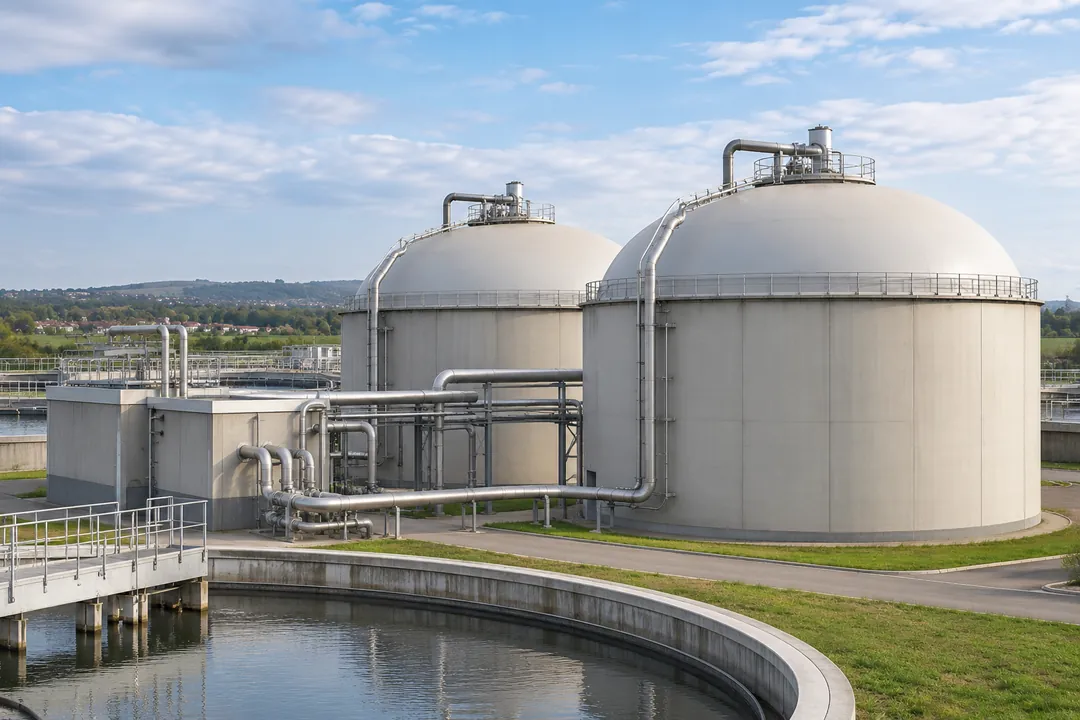
- Wastewater treatment
- Environmental monitoring

Selection and installation considerations
Describe the gas mixture and the expected environmental conditions. Confirm the measurement principle, units, output and calibration requirements for the ordered configuration. Where gas detection is part of a safety function, establish the installation and certification requirements for the complete system.