Environmental noise monitoring
Technical specifications
| Parameter | Specification |
|---|---|
| Measurement Type | Environmental Noise Level |
| Measurement Range | 30dB~120dB |
| Resolution | 0.1dB |
| Accuracy | ±0.5dB |
| Response Time | ≤3s |
| Warm-up Time | ≤10s |
| Service Life | 10 Years |
| Parameter | Specification |
|---|---|
| Power Supply | DC10~30V |
| Power Consumption | 0.4W |
| Communication Interface | RS485 Modbus RTU |
| Analog Output | 4-20mA / 0-5V |
| Wireless Communication | LoRaWAN / WiFi / Bluetooth / 4G |
| Protection Rating | IP65 |
| Housing Material | Flame-retardant ABS |
| Installation | Wall Mount / Pipe Mount |
| Operating Temperature | -20℃~60℃ |
| Operating Humidity | 0~99%RH (Non-condensing) |
| Model | Communication | Application |
|---|---|---|
| YF500-N(R) | RS485 | Environmental Monitoring System |
| YF500-N(L) | LoRaWAN | Wireless Smart City Monitoring |
| YF500-N(W) | WiFi | Cloud Platform Connection |
| YF500-N(B) | Bluetooth | Local Configuration |
| YF500-N(20) | 4-20mA | Industrial Control System |
| YF500-N(V5) | 0-5V | Analog Data Acquisition |
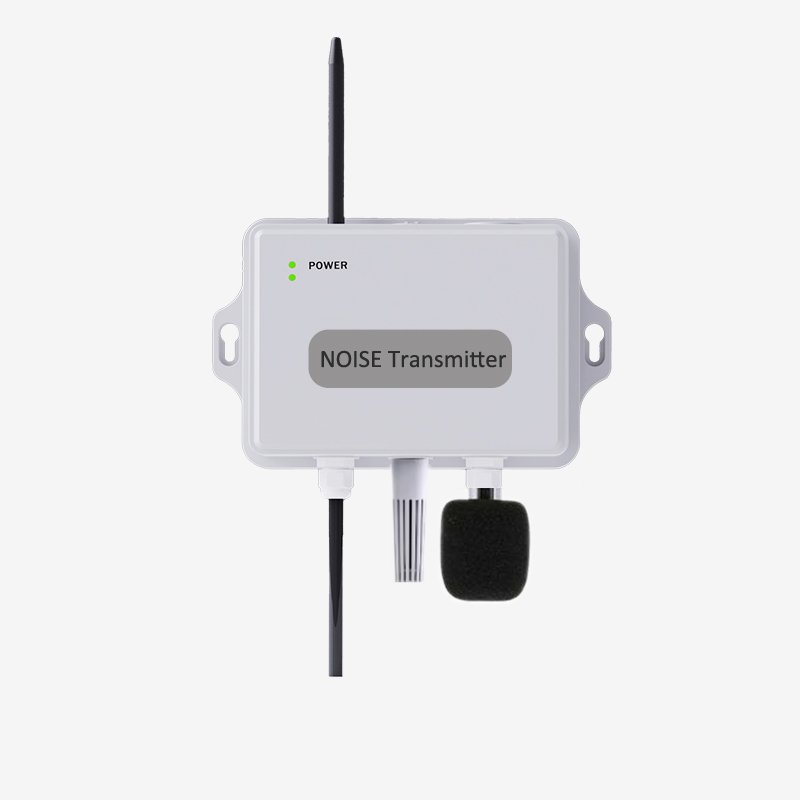
YF500-N noise level monitoring sensor
The YF500-N monitors environmental noise level for industrial and outdoor monitoring projects. Its listed measurement range is 30–120 dB, with 0.1 dB resolution and ±0.5 dB accuracy. Select the output configuration and installation position for the purpose of the measurement.
Planning noise monitoring
Sound levels vary with source activity, distance, surrounding surfaces and background noise. Identify the area and operating conditions that the readings should represent. A sensor near one machine may describe that local source rather than the average environment across a facility.
Keep a record of the monitoring point, nearby equipment and operating schedule. Comparing readings over time is more useful when the position and measurement conditions are consistent. If the purpose is compliance or formal assessment, confirm that the complete measurement method and equipment satisfy the applicable requirements.
Range and response
The specifications list a 30–120 dB range, 0.1 dB resolution and a response time of ≤3 seconds. Resolution and accuracy are separate specifications; review both against the intended use.
Placement and installation
Select a secure location that provides access for inspection while avoiding unnecessary obstruction of the sensing area. Consider reflections, sources of mechanical contact and the effects of weather or cleaning at the site. Follow the mounting instructions and the protection limits for the selected assembly.
Document the mounting arrangement and any changes to nearby machinery or barriers. When readings change unexpectedly, compare them with operating activity and inspect the sensor and connections before drawing conclusions.
Making measurements useful
Decide how often the receiving system will record readings and how the information will be reviewed. Keep the measurement point and time associated with each record, and note unusual activity such as maintenance work or changes in machinery. This context helps the team distinguish a change in operating conditions from a change at the monitoring location.
For installations with several monitoring points, label each device clearly and confirm that the controller records the correct location. Provide power and network coverage appropriate to the ordered output, then verify readings and communications after installation. Define a maintenance schedule for the enclosure, connections and sensing area.
Communication and maintenance
The specifications list RS485 Modbus RTU, analog and wireless options for different versions. Confirm the ordering code, power supply and signal accepted by the receiving controller or gateway. Wireless connectivity requires a suitable network at the site.
Inspect the enclosure, sensing area, cable and mounting routinely and use the approved cleaning procedure. Plan verification or calibration in accordance with the product documentation and the measurement requirements. Explore the industrial sensor range and industrial monitoring solution for related equipment.
Selection and integration
Industry applications
- Manufacturing
- Environmental monitoring
- Transport infrastructure