Measurement parameters
The OD500-DO uses optical fluorescence for dissolved oxygen measurement in aquaculture and other water-monitoring applications. Review water conditions, cleaning access and calibration before specifying the installation.

The OD500-DO uses optical fluorescence for dissolved oxygen measurement in aquaculture and other water-monitoring applications. Review water conditions, cleaning access and calibration before specifying the installation.
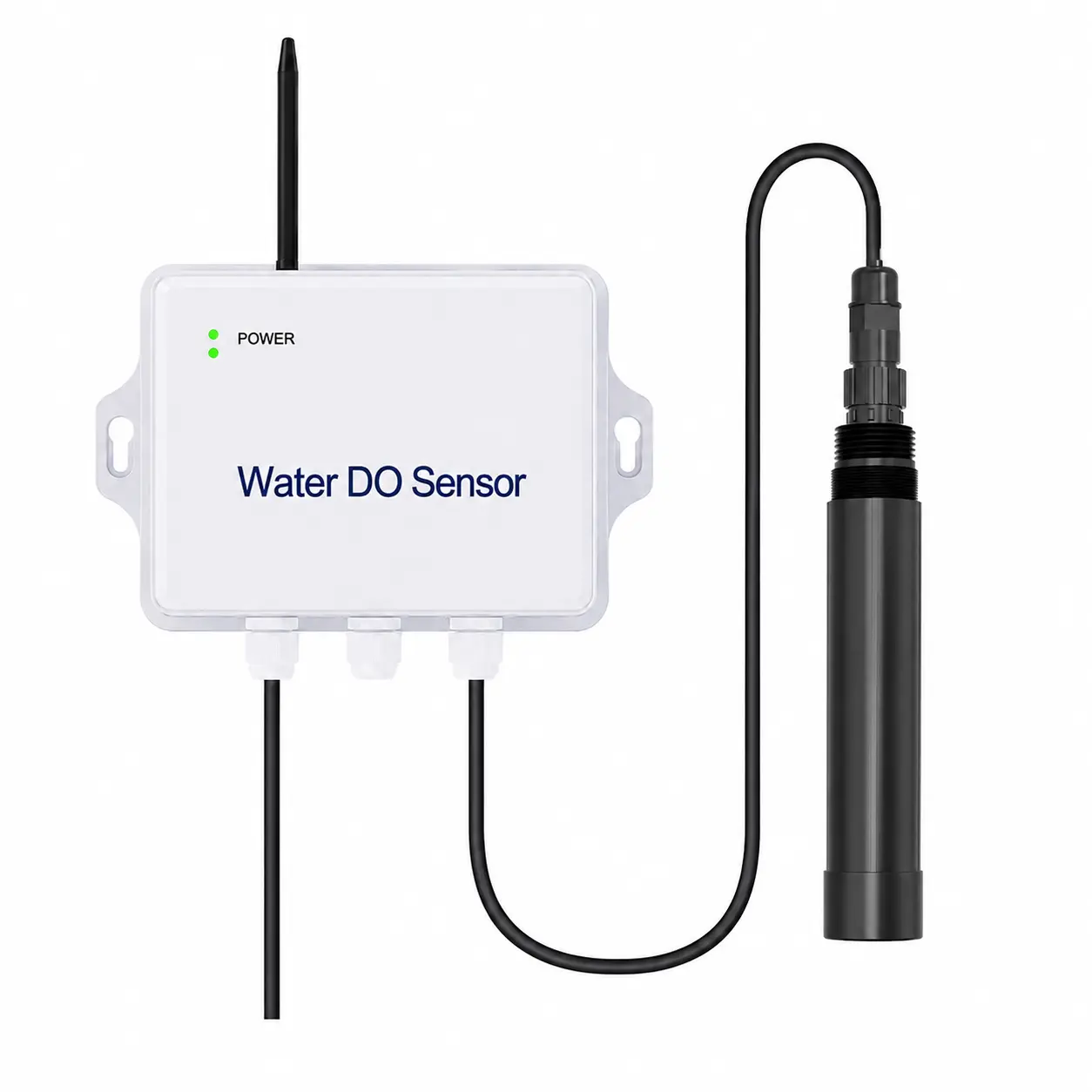
Product photograph · OD500-DO
The OD500-DO uses optical fluorescence for dissolved oxygen measurement in aquaculture and other water-monitoring applications. Review water conditions, cleaning access and calibration before specifying the installation.
Dissolved oxygen sensor
Get a quote| Model | OD500-DO |
|---|---|
| Power supply | DC 10~30V |
| Protection rating | IP68 |
| Operating temperature | 0℃ ~ 50℃ |
| Dimensions (Main unit) | 124 × 94 × 45 mm |
| Power supply / Standard configuration | 24V |
| Standard configuration | RS485 Modbus RTU |
| Optional configuration | LoRaWAN / WiFi / Bluetooth / 4G |
| Model / Configuration checklist | OD500-DO(R) / OD500-DO(L) / OD500-DO(W) / OD500-DO(G) |
| Measurement parameters | Measurement range | Resolution | Accuracy |
|---|---|---|---|
| Dissolved oxygen sensor | 0~20 mg/L | 0.01 mg/L | ±3%FS |
| Oxygen saturation | 0~200% | — | Pending confirmation |
The OD500-DO uses optical fluorescence for dissolved oxygen measurement in aquaculture and other water-monitoring applications. Review water conditions, cleaning access and calibration before specifying the installation.
RS485 Modbus and LoRaWAN are integration options to discuss, not confirmed features of every product. Check protocol, power supply and network compatibility for the selected model.
Pending confirmation. Specify the medium, target parameters, measurement range, required accuracy, installation conditions and controller interface. Suitability must be checked against an approved datasheet.
Describe freshwater or saltwater conditions, installation depth and cleaning access. Discuss dissolved oxygen, pH, conductivity and temperature needs. Confirm the probe maintenance and calibration plan.
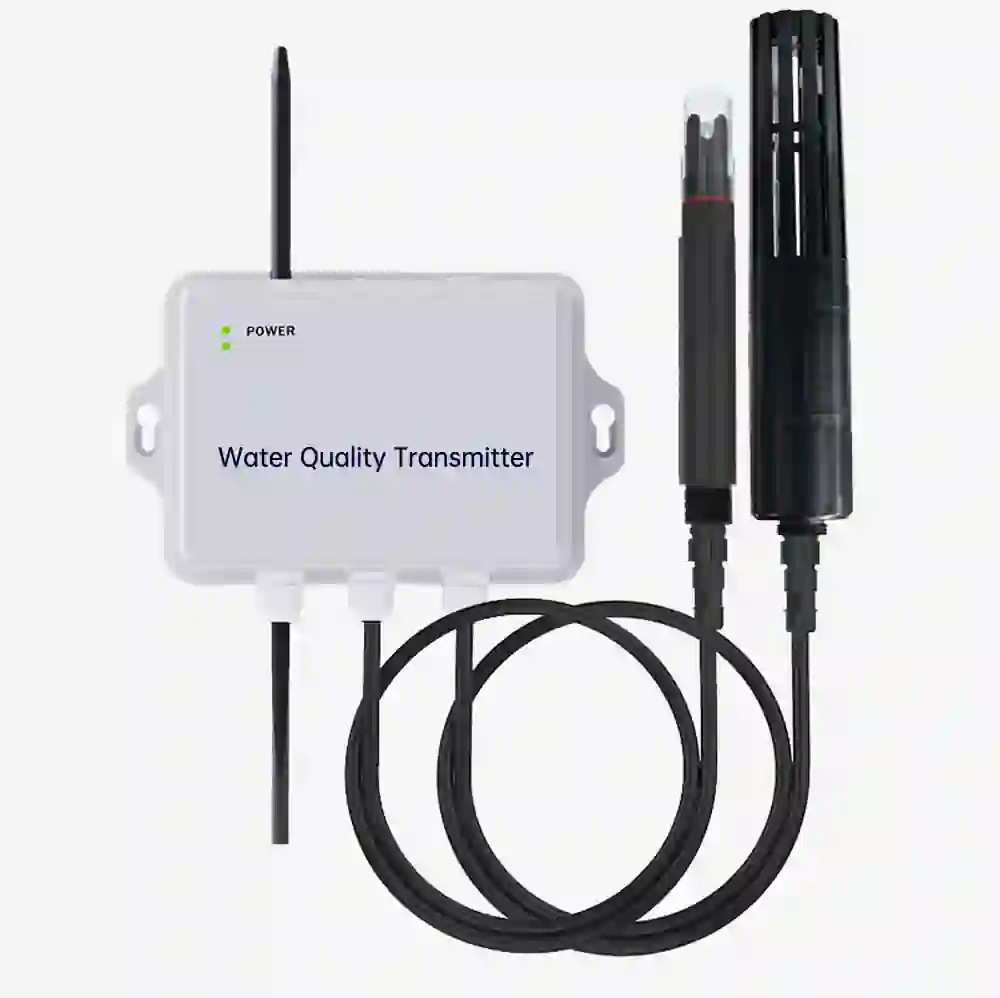
The OD500-WQ measures water pH, conductivity and temperature. Dissolved oxygen and other channels are optional; confirm the probe combination and conductivity cell constant.
Technical information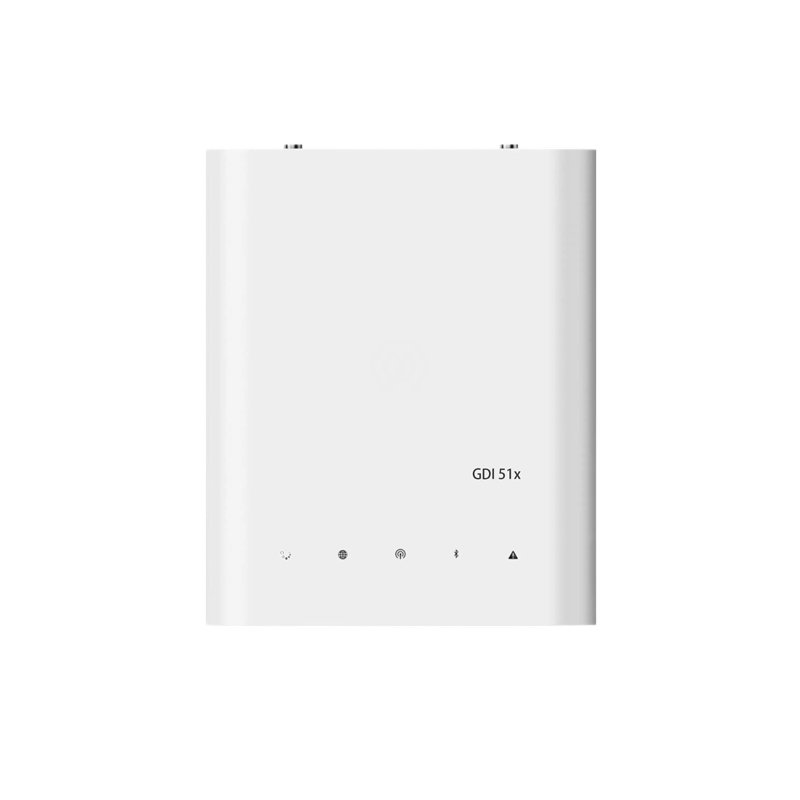
The GDI51 is an indoor LoRaWAN gateway based on the SX1302 chipset. Select the regional frequency version and confirm backhaul, power supply and network-server compatibility.
Technical informationSpecify the medium, target parameters, measurement range, required accuracy, installation conditions and controller interface. Suitability must be checked against an approved datasheet.
No. Interfaces, power supplies and accessories depend on the confirmed model. Request a written configuration identifying standard and optional items before ordering.
You can prepare and download an enquiry draft. Mailbox, online submission and WhatsApp are pending configuration; delivery has not been tested.
The OD500-DO uses optical fluorescence to measure dissolved oxygen for aquaculture and other water monitoring applications. Specify the water conditions and monitoring purpose.
Consider representative placement, immersion, water movement and access for cleaning. Plan inspection and maintenance for fouling and deposits.
RS485 Modbus RTU is listed as standard; other interfaces depend on configuration. Confirm the calibration procedure and installation limits. Pressure resistance and operating-current entries require clarification.
Dissolved oxygen describes oxygen present in water and can change with temperature, biological activity and mixing. In aquaculture, monitoring location and timing affect interpretation; select representative points for the water body and the application.
Deposits and biological growth can affect measurements. Plan routine inspection, cleaning and calibration according to the product instructions. Protect cables and mounting hardware and ensure the probe can be accessed safely.
The OD500-DO uses optical fluorescence to measure dissolved oxygen in water. It can be considered for aquaculture and other water-monitoring applications where the selected installation and probe configuration suit the water conditions. Plan the measurement point, power and communications alongside routine access for inspection.
Dissolved oxygen describes oxygen present in water. Conditions can vary across a tank or body of water and change with flow, temperature and operating activities. A monitoring plan should define what each reading is intended to represent and how it will be used alongside observations from the site. A single measurement point reflects local conditions and may not describe the entire installation.
Consider the range and accuracy needed for your application and compare them with the product's technical information. Dissolved oxygen is distinct from pH, conductivity and temperature. If those parameters are also needed, specify the appropriate additional sensors or probe configuration for the project.
Review water circulation, immersion and nearby inlets or aerators when choosing the probe position. A location immediately next to a source of flow may show different conditions from another part of the water. Choose a point that supports the monitoring objective and remains accessible to staff for inspection and cleaning.
Confirm the mounting arrangement, cable route and compatibility of materials with the water. Where different areas have different operating conditions, assess whether additional measurement points are necessary. Follow the installation instructions for the selected equipment and accessories.
Deposits or biological growth can affect a water probe. Establish an inspection and cleaning routine suited to the site and follow the manufacturer's instructions for the sensing element and calibration. Record maintenance activities and investigate unexpected readings with reference to the installation and actual water conditions.
Before ordering, confirm the power supply, output signal and controller compatibility for the chosen version. Document the measurement location and communication settings so the system can be maintained over time. Explore the water quality sensor category for related pH, conductivity and temperature monitoring.
Share your application, target parameters and integration requirements.