Measurement parameters
The OD500-TH measures industrial temperature and relative humidity. Its RS485 Modbus RTU output is listed as standard; alternative interfaces are model-dependent options.

The OD500-TH measures industrial temperature and relative humidity. Its RS485 Modbus RTU output is listed as standard; alternative interfaces are model-dependent options.
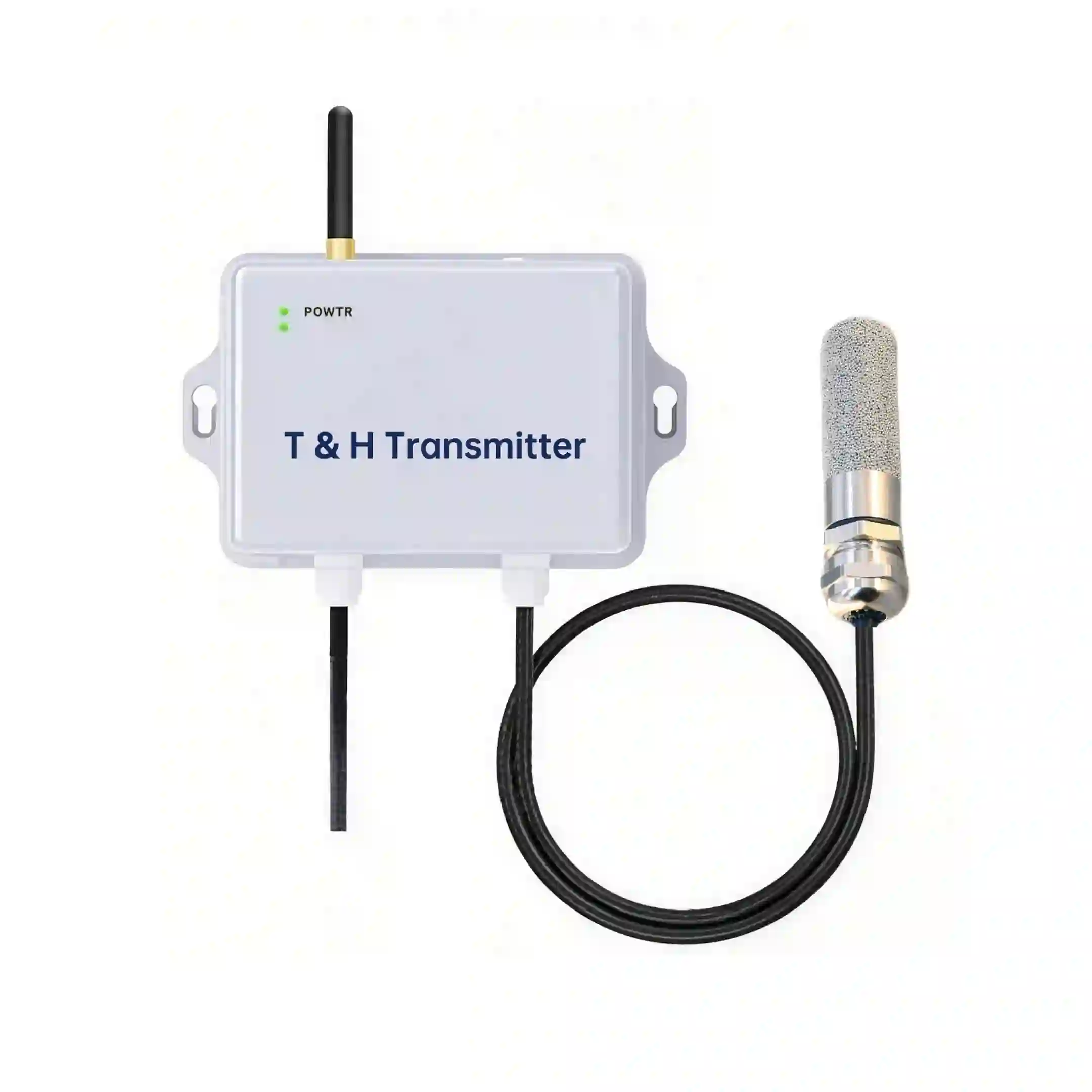
Product photograph · OD500-TH
The OD500-TH measures industrial temperature and relative humidity. Its RS485 Modbus RTU output is listed as standard; alternative interfaces are model-dependent options.
Temperature and humidity sensor
Get a quote| Model | OD500-TH |
|---|---|
| Power supply | DC 10~30V |
| Protection rating | IP67 |
| Operating temperature | -20°C ~ 60°C |
| Power supply / Standard configuration | 24V |
| Standard configuration | RS485 Modbus RTU |
| Optional configuration | 4–20mA / 0–5V / LoRaWAN / WiFi / BLE / 4G |
| Model / Configuration checklist | OD500-TH(R) / OD500-TH(L) / OD500-TH(W) / OD500-TH(B) / OD500-TH(20) / OD500-TH(V5) |
| Measurement parameters | Measurement range | Resolution | Accuracy |
|---|---|---|---|
| Temperature | -45°C ~ 125°C | 0.01°C | ±0.5°C |
| Humidity | 0~99%RH | 0.1%RH | ±5%RH |
The OD500-TH measures industrial temperature and relative humidity. Its RS485 Modbus RTU output is listed as standard; alternative interfaces are model-dependent options.
RS485 Modbus and LoRaWAN are integration options to discuss, not confirmed features of every product. Check protocol, power supply and network compatibility for the selected model.
Pending confirmation. Specify the medium, target parameters, measurement range, required accuracy, installation conditions and controller interface. Suitability must be checked against an approved datasheet.
Describe the process, ambient conditions and controller inputs. Review temperature, humidity and differential pressure as separate measurement tasks. Check wiring, power supply and installation constraints.
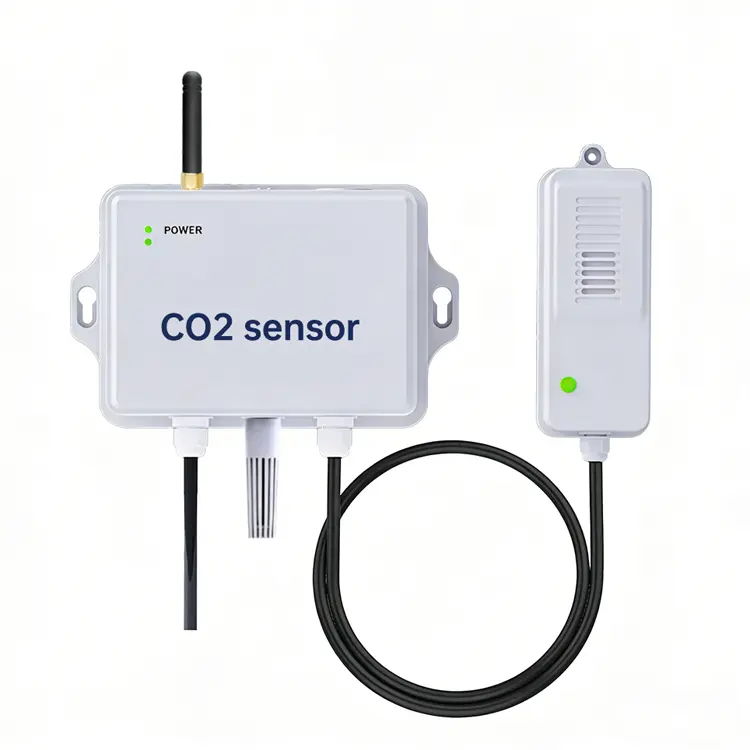
For greenhouse CO₂ monitoring, the OD500-CO2 combines carbon dioxide, temperature and humidity measurements. Compare the required measurement range and controller interface before selecting an ordering code.
Technical information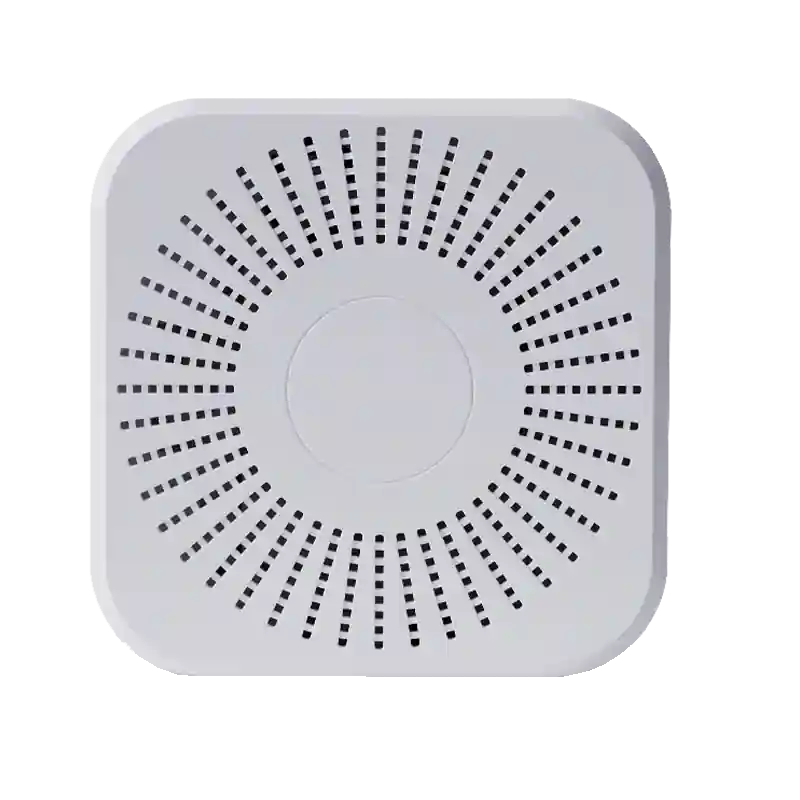
The OD100 is an indoor air quality monitor with model-dependent measurement channels and communications. Specify the required particles, gases and environmental parameters in your enquiry.
Technical informationSpecify the medium, target parameters, measurement range, required accuracy, installation conditions and controller interface. Suitability must be checked against an approved datasheet.
No. Interfaces, power supplies and accessories depend on the confirmed model. Request a written configuration identifying standard and optional items before ordering.
You can prepare and download an enquiry draft. Mailbox, online submission and WhatsApp are pending configuration; delivery has not been tested.
Plan the configuration for the conditions and integration needs of your project.
The OD500-TH measures temperature and relative humidity for industrial environmental monitoring. Consider equipment rooms, storage areas and production environments where the selected model is suitable.
Choose a representative location and review nearby heat sources, dust, condensation and maintenance access. Distinguish the sensor measurement range from its ambient operating-temperature limits.
RS485 Modbus RTU is listed as standard; other interfaces depend on configuration. Confirm supply, wiring, communication settings and calibration requirements.
Temperature and relative humidity describe different properties of air; relative humidity changes with temperature as well as moisture content. Choose a location that represents the monitored area and avoid placing the sensing element next to unintended heat sources or direct water spray.
Review cable routing, supply voltage, controller settings and register documentation for the selected RS485 configuration. Allow access for inspection and recalibration, and consider condensation, dust and chemicals when evaluating the installation environment.
The OD500-TH measures air temperature and relative humidity for industrial environmental monitoring. These measurements can help teams follow changing conditions in production areas, storage spaces and equipment rooms. Select measurement locations and a communication configuration that fit the actual installation.
Temperature and relative humidity provide complementary information. Relative humidity depends on both air temperature and moisture content, so interpreting changes requires considering the surrounding environment. Use the readings alongside site observations and operating requirements. Choose a point that represents the area being monitored rather than an isolated hot or cold spot.
Consider airflow, nearby equipment, direct sunlight, washdown and the potential for condensation. Install the sensing element where air can circulate and where routine inspection is practical. A reading describes conditions near the probe; large or uneven spaces may require a monitoring plan with more than one location.
The technical table lists a temperature measurement range and a separate operating-temperature range for the unit. These are different specifications: review both against the expected probe and installation conditions. Check humidity range and required accuracy against the table as well. When the site includes chemicals, dust or moisture, assess the complete mounting arrangement and suitability for that exposure.
RS485 Modbus RTU is listed as the standard output. Confirm the controller interface, power supply, wiring route and communication settings before installation. The available alternatives vary by configuration; they should be specified when ordering rather than assumed to be included in every unit. Request the relevant connection and register information for the selected version.
Provide safe access to inspect the sensor, cable and connections. Review calibration and maintenance requirements for the environment and keep a record of installation location and service activities. If readings change unexpectedly, check the site and installation before changing controller settings. Compare the published specifications with the measurement requirements for your project.
Explore the industrial sensor range for related monitoring applications.
Share your application, target parameters and integration requirements.